00:00:01:07 - 00:00:21:08
Speaker 2
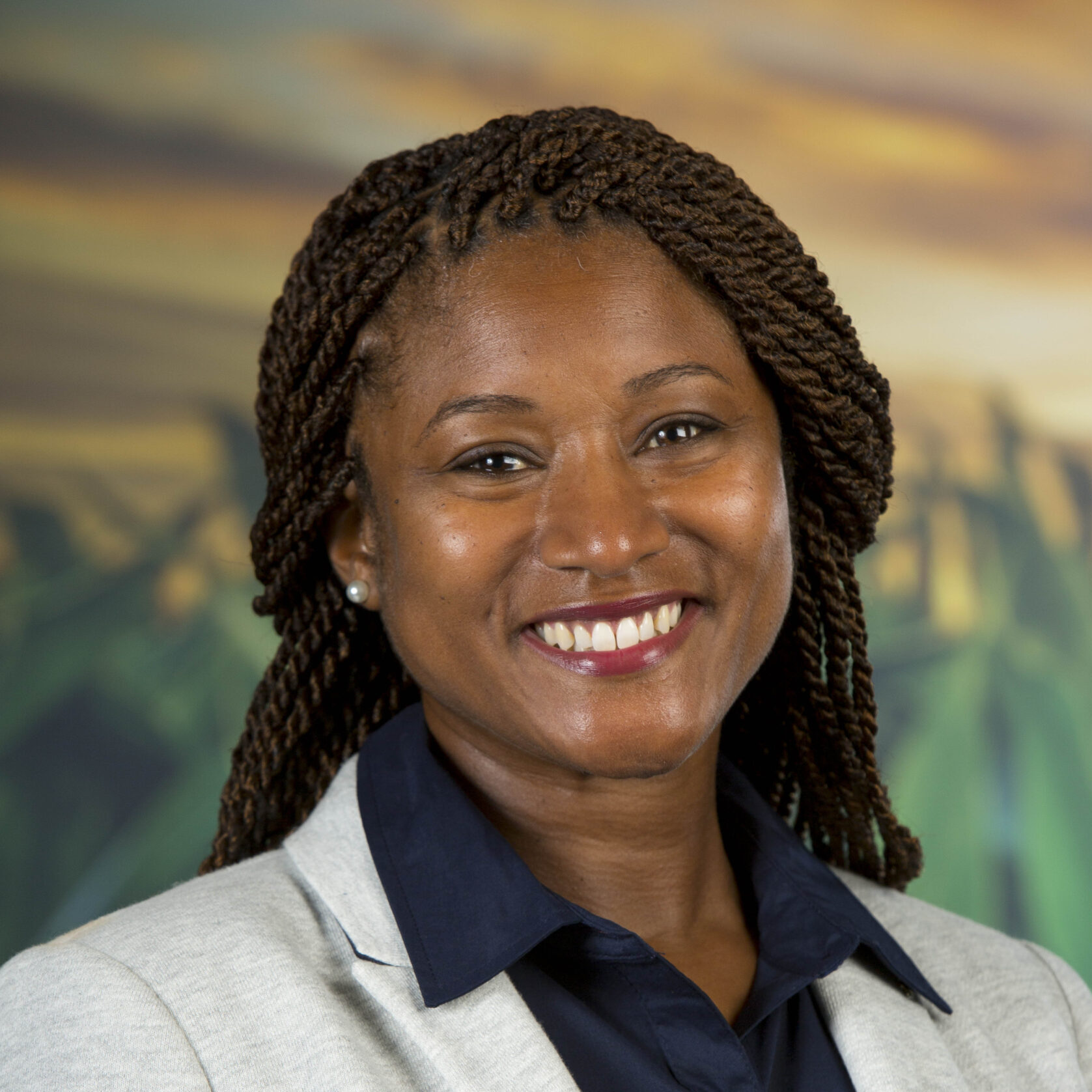
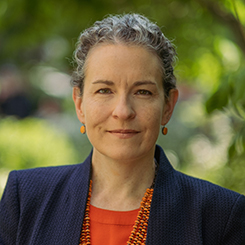
Welcome to another episode of Building Brand Gravity. I'm Kyle Turner, digital growth and analytics director here at Genius Business Communications and I'm very, very excited to warmly welcome the marketing insights and Innovation Manager for Syngenta US. Rosalyn Moore, who spent about 20 years at Syngenta, as well as I know.
00:00:21:08 - 00:00:25:06
Speaker 3
I must have started when I was a baby.
00:00:25:08 - 00:00:52:11
Speaker 2
A Rosalind. You know, you and I have had, conversations. We've partnered, a few times in the past. You've obviously partnered with the agency, to nest for a while. I wanted to talk to you, though, about some things that have been top of mind for me over the last several months, really. And really, the, the concept of digital, as a, as a space as a, as a marketing tool.
00:00:52:12 - 00:01:24:19
Speaker 2
I've been thinking myself about what, you know, digital marketing means to kind of what digital is like. Doesn't even make sense to refer to it as like, a separate practice. You've been working in digital now, especially at Syngenta, for pretty much your entire time there. And I think that what has been of interest to me is specifically what digital transformation, what digital marketing might mean for an agriculture company, one that is probably viewed as fairly austere.
00:01:24:21 - 00:01:46:11
Speaker 2
You know, obviously agriculture runs through the fabric of everything that kind of happens in this country. We have a pretty big agriculture industry here. But, you know, digital marketing is still fairly new, I think for the entire space. And not only do I kind of want to get your insight about that, but kind of get your insight about, like, kind of growing up in this industry.
00:01:46:12 - 00:02:08:15
Speaker 2
You know, you started for those who don't know. Roger storey started as, electrical engineer, which is nuts to me. And then. Right, right. And then they kind of found yourself in digital marketing. So I think first things first, before we kind of get into the meat of this conversation, I want to give you a chance to kind of introduce yourself to our audience and kind of let them know what you're how your story started.
00:02:08:15 - 00:02:10:23
Speaker 2
And how you found yourself where you are now.
00:02:11:00 - 00:02:38:14
Speaker 3
Yeah. So again, like you said, my name is Rosalyn Moore, and I like where you started it, how you took it back to my undergrad. Electrical engineering is where I got my start. And it's a funny story because actually, it's the same time I was introduced to the ad space. And that's because my now husband, then high school sweetheart actually was going to college.
00:02:38:16 - 00:02:59:18
Speaker 3
His major was agricultural business. And I got to tell you, as soon as he told me that was his major, I don't know if people remember our old shows like little House on the Prairie. Of course. But it was one of these shows where you saw farmers struggling to just make it in and all of the uncertainties in their world.
00:02:59:18 - 00:03:28:04
Speaker 3
And, like the likelihood that we are getting married has just decreased. And I heard what he, what he was trying to do. And so it's funny. Fast forward. Yes, I started off in rhetoric engineering, but he was already working for one of Syngenta legacy companies. And when the mergers happened, we found ourselves in Greensboro, North Carolina, and I went back to school for a marketing degree.
00:03:28:04 - 00:03:54:12
Speaker 3
Fast forward some more, and I didn't necessarily choose the egg industry. I chose Syngenta. I chose Syngenta as an awesome company. I knew a lot about the company. Obviously my husband was working there as well. I came in through procurement, ended up getting into market research, which is where I really fell in love with not just the industry, but the people in the industry.
00:03:54:12 - 00:04:10:01
Speaker 3
And I got the understanding that exactly what you said earlier is digital, even the right term to use. I would sit in meetings and every time you hear something like at that time we would say internet marketing or, you know, the.
00:04:10:03 - 00:04:14:10
Speaker 2
Oh, yeah, I remember the crazy ways we were referring to it back then.
00:04:14:12 - 00:04:36:10
Speaker 3
Yeah. Internet marketing manager. But when you hear digital and I'm sitting in a meeting, it's like I always pop up like, okay, it's my turn to talk. And it's not at all when you're talking about the ad industry, it's almost this misnomer that the industry is so behind. Right? There's no technological advances. And that couldn't be further from the truth.
00:04:36:12 - 00:05:07:04
Speaker 3
From a marketing perspective, you might see some differences based on the target audience you're trying to reach. Sure, you look at the level of technology and innovation that is happening in this space. It's actually quite amazing. And so where I had this thought of, you know, little House on the Prairie and someone out there, you know, with the animal pool in the, you know, pool, pool and something behind to, to, really get out there and clean the fields.
00:05:07:06 - 00:05:44:20
Speaker 3
That's, that's not where we are anymore. And so as you watch the advancements, and all that technological advancement around, it's offered more opportunity for us from a marketing perspective, for digital marketers to get in front of the growers, to get in front of the farmer. So depending on who you're targeting in the ag industry, if you're going from business to business and that other business is the grower, the farmer, their lives have changed tremendously because of all the technology and the advancement in this space.
00:05:44:20 - 00:06:08:06
Speaker 3
And so they're sitting in equipment now that they might have more screens. And you have, you know, in your car. So if you can relate it to something like a, the cars that we have today thinking about people in, different industries, everybody can relate to having a car. And you look at, you know, years ago in the car, you know, you might have had the radio or even push buttons that make it go to different station.
00:06:08:06 - 00:06:09:16
Speaker 3
You know, you look now.
00:06:09:16 - 00:06:10:18
Speaker 2
Push buttons,
00:06:10:20 - 00:06:34:05
Speaker 3
That might pre-date you. But you, you look now, and that's for the radio. Not to start the car. Right. But you look. You look now. And, I mean, you've got backup cameras. You got cameras in the front. You've got things that can protect you from going into one lane or the other lane. This same type of advancements been happening in the ad industry.
00:06:34:05 - 00:06:54:05
Speaker 3
And so now, you know, when you know, they're out in the field and they're in their their equipment before that meant you can't talk to them. In my market research days, it's like, well, it's it's harvest time. You know, we we're not going to be able to have any interviews. Well, now it's like, oh, know that's another screen the mobile phones create.
00:06:54:08 - 00:07:26:16
Speaker 3
So much opportunity for us to still then be able to reach them. So again, when you talk about digital marketing in digital, you have to be very specific about what we're talking about when you are in the ad industry. And so yes, typically you wouldn't be doing I mean, I, I look at my kids, I've got teenagers that, you know, every new channel that comes out, you know, when Snapchat came out, it was like, oh, you know, you want snap, you know, or you are just read.
00:07:26:16 - 00:08:05:21
Speaker 3
Now, you know, Twitter's the new Twitter. They do it. They're adopting all those different things at a different rate. Right. But if who I'm trying to reach isn't there, then I don't need to be there either. Right. This isn't what you're doing. And to your point, I mean, as I've moved, through and grew up in this industry, not only have I learned a lot about what's happening around it, but I almost feel like it's my duty to ensure that those of us who have not grown up on a farm do not understand all the industry.
00:08:05:23 - 00:08:35:03
Speaker 3
Get a little bit of a peek to this is an an amazing, innovative space. And at the end of the day, like I said, I didn't choose it, but I've chosen to stay in the industry mainly because I'm excited about the challenge. I mean, we're trying to feed 8 billion people, right? Like that's a huge number, a huge challenge, and everybody can relate to you have to eat.
00:08:35:08 - 00:08:58:09
Speaker 3
So how do we do that knowing that you're going to have less like, how do you do that with less people even, staying in the field, you know, so that challenge has been what I think excites me and keeps me in the industry. But by no means that I say, Agriculture. That's the spot for me, you know, it was.
00:08:58:10 - 00:09:01:02
Speaker 2
That's where.
00:09:01:04 - 00:09:37:01
Speaker 2
So you mentioned something actually kind of interesting that I wanted to to hook on two things really. You noted that people kind of assume certain things about this audience, farmers, growers, retailers, even about how, digitally savvy they may be. And you, you mentioned that that's kind of a little bit of a misnomer. You you've kind of highlighted a few examples of where, growers, at farmers in general are way more connected than they've ever been before.
00:09:37:03 - 00:09:56:15
Speaker 2
I guess, well, taking that into context, like, how would you actually describe both the digital transformation stage that agriculture as an industry is in, while also describing the specific stage that digital marketing for agriculture might be in from your perspective?
00:09:56:19 - 00:10:19:21
Speaker 3
So it's different. And I would say the marketing trail's the other the rest of the advancement. Right? I feel like everything else around the digital transformation in the industry is what's enabling, digital marketers to be able to do more. And so again.
00:10:19:23 - 00:10:25:09
Speaker 2
So, like the marketing is not like the, like the not driving the change, but rather the change within the industry.
00:10:25:09 - 00:10:57:02
Speaker 3
For marketing that, obviously things like the pandemic has helped. I mean, you think about it and and again, it's always going to depend where you sit in the industry. So somebody else could come on the same industry and speak a little bit differently about it based on who your true consumer is. And so for us, if you're talking about the grower or for for us, you know, Syngenta, everybody knows probably that we, we really work through them with our channel in service of the growers.
00:10:57:02 - 00:11:13:13
Speaker 3
So we are marketing a lot to our retailers and empowering them. And so retailers were a little bit different. You got people that might be then sitting behind the desk a little bit and you could get to them, versus when you think about somebody out on the farm, what do you think you've got? You're in a rural area.
00:11:13:16 - 00:11:40:18
Speaker 3
What does that mean? Sometimes your internet connectivity isn't going to be there sometimes. And again, this is where phones have help. But there have been areas that I've, gone in that you found don't really work. Right. And so that that starts to limit what a digital marketer can do to reach, that grower. But at the same time, these are people that all their time is in, in that one space where you get where you don't have connectivity.
00:11:41:00 - 00:12:09:00
Speaker 3
And connectivity has gotten so much better over the years that, I mean, as these things are happening and as you've got the different technological advances around them, that's freed up more time, right, for them to experience other things. So if I take something like this is not controversial, but social media, this was always one of the big things that early on we were pushing to, you know, we gotta have a presence on social media.
00:12:09:02 - 00:12:30:23
Speaker 3
But then the question was, is our audience on social media? Well, they weren't initially on social media, just like I'm sure if I asked you where you're parents on social media when you first got on social media, they weren't you. You got to look at the age gap right there. The average age right now, I think is like 67 or something.
00:12:30:23 - 00:12:43:19
Speaker 3
So in that, in that range, and so you look at what any other 67 year old which by the way, that is not old seasons, not old, but 60s.
00:12:43:21 - 00:12:45:07
Speaker 2
I like the way you put that seasoned.
00:12:45:07 - 00:13:14:05
Speaker 3
Yes. But you look at you look at, what anybody in that age demographic, what are they, what are they doing? Well, that's not you're not marketing to them the same way you're marketing to your 20 year old right out of college, right? They're showing up in different places and spaces. And so again, being able to understand who your audience is and market appropriately.
00:13:14:07 - 00:13:35:10
Speaker 3
I would then go back to that, the question you asked. Again, I'm looking at what's happening around them that's freeing them up to be in some different spaces where today I need to be there because they're there. But other channels, from a digital marketing perspective, I might need to get my toes wet in it because they might be there tomorrow.
00:13:35:15 - 00:14:01:22
Speaker 3
The reason that they are there may not be that they're wanting to be marketed to. It might be yes, they they've now jumped on, you know everybody's know using YouTube because like yeah I want to see, you know, these different videos how tos, how to do things that are needed for my business. On Facebook, they may be there, but it had nothing to do with business.
00:14:01:22 - 00:14:23:22
Speaker 3
It had everything to do with family, right? Where a lot of us had initially gone there. And so as marketers, you're savvy enough to know, oh, they there they are. They're coming. Let me see if I can hit them with, a little bit of information. And how did they receive that, and did they like to receive that in that forum, or was that a missed.
00:14:24:02 - 00:15:06:12
Speaker 3
And sometimes it was too. So, you know, like this isn't there's another medium that's going to allow us to be more effective. So that doesn't mean that, oh, then, you know, we're so far behind. It just means that this is the medium that works. And so instead of being creative and going to a bunch of different digital marketing channels, you might be need to be creative and ensure that that same email that you're doing is now cutting through the clutter of everybody else, because we've made it that innovative, that, you know, in your face, engaging that somebody wants to spend what time they do have in front of the screen looking at your information.
00:15:06:12 - 00:15:39:14
Speaker 3
So again, I still think that what's happening around has helped influence how fast digital marketing can grow. And I would say that in the last few years, I think it's grown probably exponentially. Right. The things that you can do to the point where I, I work with some other people, that touch the industry and other industries and, and I hear them saying, I'm working a lot the same way from a paid media perspective, from a, you know, a little bit different organic.
00:15:39:14 - 00:15:52:18
Speaker 3
Right? But, you know, it's it's using a lot of the same principles and approach that they do in other industries, because at the end of the day, it's all people. It's all people, for sure.
00:15:52:20 - 00:16:23:23
Speaker 2
I've I've always been interested in the challenges that you're talking about because I feel like agriculture as a as a market is a is a really paradigmatic microcosm for what B2B marketing is like in general, especially in the digital space. It's a way more discerning, often a lot smaller group of people that you have to show and prove, usefulness, effectiveness to.
00:16:24:01 - 00:16:46:15
Speaker 2
So when I'm thinking of what digital marketing even looks like for the agriculture sector, I'm thinking of ways that we can effectively change the information or how we distribute the information to people and kind of what we show people. I think for me, I, I've often been curious, having kind of worked with you on some digital marketing strategies before.
00:16:46:17 - 00:17:22:02
Speaker 2
And I know the agency has worked with, Syngenta more broadly on some digital marketing strategies in the past as well. And currently, when when you're looking at that partnership between your agency and kind of the marketplace you're serving to talk to, where do you find like the the biggest obstacles when it comes to implementing some of the more innovative techniques in digital marketing, where you maybe have an opportunity to try something but are not 100% certain about what the effectiveness would look like.
00:17:22:02 - 00:17:28:20
Speaker 2
Like, how are you tracking that? How are you articulating that value? How are you showing that value?
00:17:28:22 - 00:18:05:15
Speaker 3
Yeah, that that's that's it's it's tough. Right? I mean, and it's it's tough period. As marketers, to sometimes show here's that value. You know here's what I did quantifying. You know I the industry like many others is a is very much a relationship industry. And like I like to tell people, when I'm out in and with our commercial units and talking to our reps, those that are directly face to face interfacing with, be it our retailers are or our our farmers when they're doing that.
00:18:05:17 - 00:18:41:08
Speaker 3
I cannot say that any of those touchpoints, right. That we provide it was the one that changed that person's mind and said, yes, I want the sale. But but I can say that based on years of research, you know, we know that it takes several touch points to get someone aligned with your company. And I know that as a wrap, when you've got all these people that you've got to get out and talk to, you may not possibly be able to get to that person.
00:18:41:13 - 00:19:07:03
Speaker 3
Seven times, eight times. So how can we do that if it's going to take that many times of talking to that person to get them aligned to your company, to your product? Well, that's where marketing can help. And so I want to make sure that somebody has heard about our new products before. Our rep has ever even gone there to talk to that person you want and be that through your retailer.
00:19:07:03 - 00:19:30:05
Speaker 3
So you've educated them or be that directly to the grower, because you shown up in different spaces where they weren't even expecting you to show up on a, you know, the TV station that they're watching. And all of a sudden, you know, your key break in, it's talking about Syngenta, whatever that is. We're raising that awareness. Right. And so when you think about how do we how do we get there?
00:19:30:05 - 00:19:53:03
Speaker 3
And it's easier to prove we raise that awareness. When you hear the rep saying, yeah, I talked to them and they had already seen a commercial or they heard something on the radio or, you know, whatever that is. Where to your point, when you're working with the agency, you know, a lot of times you want to move past your billboards, right?
00:19:53:03 - 00:20:12:18
Speaker 3
The billboards are still effective. You want to move past your your direct mail, but direct mail is still effective. You want to move past some of these things that were more traditional. But when we find some of it still effective, we don't want to move too quick. Right? You want to still be doing what's effective, but then trying new things.
00:20:12:18 - 00:20:39:03
Speaker 3
And so when the agency relationship is working, just right, you get just enough push to try and do these other things that allow us to differentiate ourselves in the industry. And when you're asking to try your pilot, you know, you don't you don't, you know, risk everything on this new technique that I can't tell you is really going to work or not.
00:20:39:08 - 00:21:01:09
Speaker 3
I give you some proof points. We we get out there and we test it out. In some ways, the thing I love about digital marketing is you can measure it right. And and I can look to see did we get engagement? Did we do did people open the email? Did people, click on the link? Did they spend some time looking at the information?
00:21:01:11 - 00:21:26:23
Speaker 3
You can see that stuff. And so the more that we can prove that out, it helps you build your business case to go to the next thing. But to your point where you see some of the challenges, sometimes we'll get there too fast, and sometimes you have people that we can get so excited about. That shiny new technique, that shiny new tactic that, oh my God, this is so cool.
00:21:27:04 - 00:21:47:01
Speaker 3
We can get lost in the cool factor and forget what's the objective, who are we really trying to reach? And so finding that balance is sometimes hard. But if you didn't experience some of that tension, I'd say we weren't doing it right. Or the relationship even with the agency when it wouldn't be right.
00:21:47:03 - 00:22:18:06
Speaker 2
I couldn't agree more. I think one of the most valuable things that an agency can do for its client base is to have an unflinching honesty, especially in an area that requires so much experimentation for the simple fact is that we have probably more access than we've ever had before. On ways to affect Lee, show the value of any program we do.
00:22:18:08 - 00:22:45:12
Speaker 2
I think to your point. So you mentioned certain traditional advertising and marketing tactics continuing to work in a field like agriculture for some very good reason. I think some very obvious reasons, honestly. I think I've always thought, though, that in areas like this, you know, maybe some of the more niche areas that a lot of B2B clients tend to service, where you can find a lot of, stronger relationships with digital teams, digital agencies.
00:22:45:12 - 00:23:08:05
Speaker 2
What have you is isn't the measurement of some of these tactics like seeing where any upticks in search volume, any upticks in conversation volume, any upticks in website traffic, website engagement, etc. are whether or not those are being connected to some of those, some of those tactics, you know, so to that end result, like I'll pass it to you.
00:23:08:06 - 00:23:33:14
Speaker 2
Where where are you seeing the best opportunity and, and maybe even the best tool set that exists for like, digital innovations that could significantly impact the way that market digital marketing is done in a field like agriculture or other fields. That might be a little bit more, slow to adopt, let's say.
00:23:33:16 - 00:24:14:02
Speaker 3
Yeah. Okay. So, I it not necessarily any one tool, but I'm just going to tell you the whole artificial intelligence space is real. Oh my gosh. You look at what's capable and and I mean, you know, you start with something like ChatGPT right in and looking at, wait a minute, I can create content. I can, I can now create images, I can speak to something and create the image that I needed to put in an ad.
00:24:14:02 - 00:24:16:14
Speaker 3
I can, you know it, I can.
00:24:16:15 - 00:24:17:14
Speaker 2
I can get.
00:24:17:14 - 00:24:44:01
Speaker 3
It together. But I don't know that. Well, I'll tell you, it has been an infamy. Kyle, I, I have to see it. Right when I first started getting invited to some of the different your conferences or your, meetings or companies wanting to come in and talk about what they can do. I've seen on a lot of our tools that we have the data and analytics or even, you know, we are marketing cloud users.
00:24:44:03 - 00:25:28:14
Speaker 3
You look at the Einstein, Salesforce brought up and it's like, okay, first go round at some of that. And I'm like, as insightful as I was looking for, like, matter of fact, this one helpful it all right. But now you start to see it's coming together. And so, you know, early on what was a little bit of a turn off is now quite the opposite, because things that I've spent lots of time trying to get data out of tools to be able to analyze and just answer questions like, what is the best time to be sending emails to our, you know, to our audience or people really engaging?
00:25:28:17 - 00:26:11:08
Speaker 3
Are we sending them too much, not enough things that we had to do to try to answer that question before? Seriously, just as you're getting the answer, boom. Now all of a sudden Einstein does work. This is telling me this information. And so when you look at what artificial intelligence can do in all the spaces and go back to what we first talked about, how we're able to advance digital marketing so much more because of all the other advanced as well as artificial intelligence, starts to have a play in all these different spaces, not just because I work in data as well, but I say so much starts and ends with our data.
00:26:11:12 - 00:26:42:03
Speaker 3
And so you imagine now that instead of us having to spend so much time getting all the data in one place right, trying to spend so much time solving problems, that soon will be yesterday's problems. We can now do this with a click of a button. Yeah, it's still gonna take some time to get us there, but the amount of insights we can get and then be able to crack the window, I mean, sky's the limit.
00:26:42:03 - 00:27:06:17
Speaker 3
You want to talk about personalization? And wanting to make sure that if I'm trying to get to Kyle, I not only know how to reach Kyle, I know what Kyle prefers. I'm going to show up in a way that Kyle's like, well, was really knows me. I mean, to do that, it's almost the cliche, right? We want to show up at the right time right place, with the right content, all those things.
00:27:06:22 - 00:27:50:21
Speaker 3
Yeah, we want to try that. But you start looking in this stuff that, you know, in. So it is it it does excite me. I'm excited about it. And I feel like that's going to be the thing. Everybody is going to have to hone in on it in their particular area. But as we do, I think we're going to be able to do some things we've never done before, except data privacy will be the biggest hurdle in so just as we're getting to that point, you now then have to balance that, rightfully so, with people respecting people's boundaries is but I and maybe it's just because I'm a marketer.
00:27:50:23 - 00:28:23:14
Speaker 3
I enjoy when I whether it's mail that I see on my kitchen table or it's an email in my inbox, when I see that somebody has really sent something relevant to me that I actually need and was just searching for, and now you delivered the answer to me. And now you've also told me where to go to find out more, and helped helped navigate me along the path to get the item, the service I want, the product that work, whatever that is.
00:28:23:16 - 00:28:50:15
Speaker 3
That's a good thing to me. Yeah, I don't want you spying. Don't everything about my life, but where you can help facilitate that in a very respectful way, I, I just think the artificial intelligence space is going to change so much in every aspect. It's not just digital marketing. It's and it's definitely not just the ag industry, this is for sure.
00:28:50:17 - 00:29:20:00
Speaker 2
I think for sure, you know, there's there's a lot that is possible when you leverage artificial intelligence. And it's been a talking point for a lot of the episodes we've done, on this podcast and, and probably several and certainly several others. It's been a topic of conversation in boardrooms and lunch rooms, and dining rooms for me, and I think for the agency at large.
00:29:20:02 - 00:29:50:17
Speaker 2
You know, we're looking at artificial intelligence in, very meticulous and intentional and deliberate, I think way, you mentioned something that I really could not help but applaud in my head. And you were you said that data, like, everything that we get, that we do as far as innovations, as far as advancements probably begins and ends with data, I think if you start talking about data and start talking about AI, there's some interesting things that are happening within AI.
00:29:50:17 - 00:30:20:09
Speaker 2
Both of those spaces, connected and I, I, I 100% agree that it is really to me, data AI is probably going to represent the biggest, jump in, and accessibility and effectiveness for not just marketing, but probably for the outcomes that farmers, that growers, retailers, etc. are looking for. You know, I, I love some of the work that our analysts are doing in this space.
00:30:20:11 - 00:30:48:03
Speaker 2
And I like I know that Syngenta employs a host of analysts, analytics experts. And there is there anything that is kind of sparking your interest from a Syngenta perspective? Internally, anything that your competitive said or kind of the, you know, other brands that you're noticing are doing, within the digital space or within the AI space that is starting to pique your interest at this point.
00:30:48:05 - 00:31:18:23
Speaker 3
I can say, from an interest peaking, starting with, like you said, the data, the way we're able to garner some insights, right now is, is interesting, interesting to me because I know the ways with which we've had to get there to get it and are still working to get some of it. Is is tough, right?
00:31:18:23 - 00:31:48:04
Speaker 3
And so we're still very much piloting a lot, and checking to see. Is that right. And so when you ask, you know, which really piqued my interest because I was so focused on the data side, I think I was missing everything else. And when I say everything else, I say I was I was not prepared for chapter duty.
00:31:48:06 - 00:31:58:05
Speaker 3
I was I was not prepared, for being able to speak and have pictures.
00:31:58:07 - 00:31:58:10
Speaker 2
Okay.
00:31:58:12 - 00:32:01:07
Speaker 3
Which is I wasn't when.
00:32:01:07 - 00:32:04:10
Speaker 2
You say prepared, but like, what do you mean by that. Like to talk about that.
00:32:04:15 - 00:32:29:18
Speaker 3
Well, not I didn't see it, I did not that wasn't a vision. So so the people that have been working in these spaces for a while and you, you probably could say, I bet that's where this is going. I bet. But we'll be able to do more over here. I bet we I did not see that, that that wasn't where I thought the next move was.
00:32:29:23 - 00:32:42:19
Speaker 3
And so why you see me get so excited is because it's. I start wondering, no where else is it and where else is it? And how else is this going to real life? Application help me.
00:32:42:21 - 00:32:45:16
Speaker 2
Now you know it's a little bit. Yes.
00:32:45:18 - 00:33:12:07
Speaker 3
Yeah. And so I mean I think everybody goes to the, the big bang with what's going to be the big thing that happens. Now looking at even some of the, the smaller things, how does how we interact with the Microsoft products now change? How has my kid, you know, writing essays now shape? How are governmental policies going to have to change in rules in school?
00:33:12:09 - 00:33:38:05
Speaker 3
Because you now have this, you know, it's it's it's so much that we can do so much faster. It's like this next revolution. It's it's I feel like we're living through something now that, you know, look back and be like, wow, yeah. That we are not just taking a a step. Right? We're about to leap. And so I don't know if it's any one thing that gets me excited.
00:33:38:05 - 00:33:57:02
Speaker 3
It's all the little things. And then quite honestly, because I'm one of those people that I want to see it, the things that are working today, that's that's the stuff that's got me the most. But now I'm a believer enough to say, what do you want me to try? What are we what are we trying to do? Let's let's get our toes wet.
00:33:57:08 - 00:34:19:16
Speaker 3
And to your point earlier of how do you get people internally? How do you prove, when you don't have, you know, hard measurement sometimes? How do you prove that we should be working in this space? How do you prove it? You show some of these success that's already happened, some of the things that just like I didn't see it, there are others that sit around the table with me.
00:34:19:18 - 00:34:41:19
Speaker 3
They didn't see some of this that are wowed by some of this. And so when you can say this just happened, then you can start saying, okay, well, yeah, we do need to jump on that because stuff is happening at a much an adoption is happening at a much faster rate than it has in years past. And so you can make those parallels, right.
00:34:41:19 - 00:35:06:13
Speaker 3
And, and get people to at least say, yeah, let's give a try to some of that. Let's get our toes wet in some of that. And so it is, it's a, it's it's an exciting time to be a great digital marketer to be I mean it's the things that are happening now if you would have had this interview or I know some 6 or 7 years ago even, you know, it's a it's a little bit different.
00:35:06:13 - 00:35:12:06
Speaker 3
You talk about challenge, you know, it's a different conversation. You know, just a little.
00:35:12:08 - 00:35:27:08
Speaker 2
Yeah. Actually that, that that kind of brings me to, another quick question, that I had, like, are you noticing kind of a sea change as far as digital adoption within Syngenta? How do you feel like it's happening different than it was before?
00:35:27:11 - 00:35:52:23
Speaker 3
I, I feel like, you know, people are trying more. I feel like I mean, I see all around. I love when I look at even internal emails that have videos showing all. I mean, that when I see things that we do externally to get attention from our customers happening internally to internal stakeholders, that excites me. That's like, now these things are table stakes, right?
00:35:52:23 - 00:36:21:12
Speaker 3
So much so that even to your your neighbor down the hall, you're sending these advanced emails to cut through the clutter. You're you're doing things. So I, I do I just don't think it's, I don't think we're the only ones. I'm not naive enough to think that. Oh, we got it. Nobody else did. Right. I think you could probably ask this question of many people, in their offices outside of the technology company.
00:36:21:14 - 00:36:24:01
Speaker 3
Here's some of the same thing.
00:36:24:03 - 00:36:59:06
Speaker 2
Yeah, I don't disagree. I want to circle back real quick because, when we started the conversation and I kind of ticked this in in my head because I wanted to come back to it, you said that you you didn't choose like agriculture. You chose Syngenta specifically. What about Syngenta? Especially in this space, especially coming from the field you were coming from, like what attracted you there and kind of how of how has you how have you seen your own career growth like Ascend and Blossom since you've been at Syngenta?
00:36:59:10 - 00:37:22:06
Speaker 3
So it's really interesting because I started my career in Syngenta, in procurement. And what I saw with Syngenta, is they were willing to try some stuff. And so when I came in to procurement, I was on the indirect side, goods and services side, and, and I was brought in and I was hired. That was what I was going to do.
00:37:22:06 - 00:37:42:00
Speaker 3
But immediately when I came to, you know, my job role shifted a little because we were ready to launch any procurement system. And that's when I realized I was working for a global company. Right? Yeah. And I didn't quite get that before. And so, yeah, you.
00:37:42:03 - 00:37:43:10
Speaker 2
Realize just how big you are.
00:37:43:10 - 00:38:17:11
Speaker 3
You're big. Right. And so, you know, you think about it. And they told me all it'll be like 20% of your time and not a big deal. And it became a big deal. But it was just as big of a deal for me very quickly in my career. Someone in my role, I think it was like a purchasing associate or analysts might have been what the role was, but all of a sudden, the stakeholders, because of the tool that I now was managing, I've got approvers that go all the way up to the CEO.
00:38:17:16 - 00:38:41:11
Speaker 3
I got I've got, requesters that hit every area, the business, all of our, you know, and even in our plants, you know, they, I get calls because the stuff wasn't working. Right. So I get calls from, you know, people at our plants that say, I got a service person outside the door and they're not able to come in because your tool hasn't spit out a purchase order.
00:38:41:11 - 00:39:06:07
Speaker 3
Yeah. So the thing that was great for me, I've never left my technology background. Electrical engineering is where I started, but I've been able to take the technology side of me that I love and use that to solve problems. So in procurement, I very much instantly went into technology. Right. I'm working on this tool. I'm trying to solve problems.
00:39:06:13 - 00:39:27:20
Speaker 3
But then the other part of me, which I didn't get to do in college, I had told my mom, second year sophomore year. So I know I've said since I was in seventh grade, I was going to be an electrical engineer. Sorry, I was terrific. I shouldn't have said that. I know that every summer kid you've put me in in all those years was so that I could do well as an electrical engineer.
00:39:27:22 - 00:39:29:00
Speaker 3
But I'm saying.
00:39:29:02 - 00:39:31:00
Speaker 2
This is this.
00:39:31:02 - 00:39:37:03
Speaker 3
I realize I did it because somebody said I couldn't, and I wanted to show them that I could, and she's.
00:39:37:03 - 00:39:37:19
Speaker 2
Interesting.
00:39:37:19 - 00:39:59:10
Speaker 3
You got to finish this, you know? But I wanted to switch to psychology. I really loved getting to know people, getting to understand what makes you tick, how to help people develop, how to help people understand themselves better. But I couldn't pursue that. So next, best thing you have me at Syngenta. I've got that technology side of me going.
00:39:59:15 - 00:40:27:13
Speaker 3
I was introduced to global procurement. Syngenta sent me I mean, I my first some of my first global trips came because of, of work. You know, all of a sudden, you know, we're based in Basel, Switzerland. So it's like I'm in Switzerland and it was nothing for me to go to Switzerland. It's like, wow, this is amazing. So what opened up to me, because Syngenta is a global company and they develop their people, in are willing to take chances.
00:40:27:13 - 00:40:48:20
Speaker 3
I went from procurement. They then had me as like the first person doing both indirect and direct procurement. So I got to understand our material side of the business, understand how everything comes together to make our product. But then we took a shot on me, a market research. I didn't know market research, but it's where I want it to go.
00:40:49:02 - 00:41:12:01
Speaker 3
And that's the that's the way that I was able to really tap into this other side, the psychology side of me light. And so again, when you look at how my career yeah, I had my MBA, but it didn't have a lot of marketing experience. And so the fact that I was able to navigate my way through now, I will not say that it wasn't without difficulty.
00:41:12:01 - 00:41:37:00
Speaker 3
Right? It had challenges, but she had a lot of people along the way that were helping to get you there. That said, yeah, I think you could do this. I think we should try this. And and I did, and off I went. And so it's continued to kind of be like that for me. And then once I hit market research, it became market research, internet marketing.
00:41:37:02 - 00:42:03:10
Speaker 3
They had to cut some type of market research back to digital marketing and then marketing technology, CRM. I got to kind of stay all in that space. That allows me to both use my that psychology side of me that I love in the technology side and, that I love. And so Syngenta is a company that's willing to invest in their people and I think some people take that for granted.
00:42:03:15 - 00:42:24:05
Speaker 3
That's that's huge for me, for if you didn't have it before and then you have it, you realize how big of a deal that is now. And they got great benefits and all those things too. But, but now. Yeah, but now when I take a look back, I can even see within Syngenta the things that I can tout and say, this is great.
00:42:24:05 - 00:42:47:02
Speaker 3
Some of it didn't happen day one, but now I can look at all the policy changes, all the different things that have happened that I mean, people now coming out of school to Syngenta, it's a different experience than what I had. That's like I'm looking at it like, wow, you know, we've got some great things to offer. A great vacation package is great.
00:42:47:02 - 00:43:15:21
Speaker 3
I mean, just it we've come a long way and and I feel like again, Syngenta, it was the right company. And obviously I've been there for years but but, but and it's not because I have to. Right. You know and so when I say I didn't choose I didn't I chose Syngenta and I and once I got there, it really wasn't even until I think you guys might have had me do so, like, I career.
00:43:15:21 - 00:43:36:04
Speaker 3
I was talking about my career on some video. For something we were doing and I was being and you know, I didn't you didn't come from a farm. And you know what? What's your belief? You know what? What's your passion? And I mean, I'm thinking, oh my God, I'm out of almost been in tears trying to explain to this guy, right.
00:43:36:04 - 00:43:59:12
Speaker 3
Do you realize there are people today in the city you're in that don't eat like that's a big deal. And we're trying to ensure that we can help feed feed people in the future, that we can feed the growing population. But not just then we try to get back in our community to the people today that don't eat in.
00:43:59:12 - 00:44:22:04
Speaker 3
So just that type of impact is is major for me. You know, you can't go in any industry and have solve those types of problems that have that widespread impact. And so when you say, no, I didn't grow up on a farm and and I do still laugh at them, I think that's a little house on the prairie.
00:44:22:09 - 00:44:49:11
Speaker 3
I understand the challenges better. I understand the rewards better. I understand the pride better when you have. And that's your legacy. I understand that, but different people in this industry all can come together on that same thing. To know we got to eat. Yeah, somebody has to be here to ensure that for the land you got left, we're making the most out of that.
00:44:49:11 - 00:45:17:22
Speaker 3
We're we're ensuring that the crops have the most yield that they can or that doesn't happen. Right. So it's it's to me, it's an awesome industry to be in. And I love seeing how it's expanding and other areas. I mean our our digital ag team, when you when you see all the things that are happening with the drones and there's so many more people now that have a place in this industry that yesterday did not.
00:45:17:22 - 00:45:38:04
Speaker 3
And so that's where, again, when we say things like, you know, we technologically may be behind, I say it's like, no, no, no, that don't apply. Is this. Yes. That's that's not the case. You got so much more now in this industry. And I think you'll just continue to see that grow because this problem isn't going to go away.
00:45:38:06 - 00:46:06:10
Speaker 2
No. Two things. You just kind of alluded to one explicitly, one tacitly. Everything you're saying tacitly speaks speaks to purpose, you know? Right. Because it sounds like you sound like a person that has found a great and noble purpose in what it is you're doing with Syngenta, even as listen, no companies perfect. Every company has its own fair share of of challenges and hurdles it has to navigate.
00:46:06:12 - 00:46:29:21
Speaker 2
But I think you finding the purpose of what you're doing there. Syngenta I think, is not only noble, but I think it's something that most people would envy, honestly. And I think, more broadly speaking, more explicitly. You mentioned legacy when I first started in this industry. I mean, and even to a certain extent now, you can count on one hand the amount of people, like brown people that were kind of working in the same rooms as me.
00:46:29:23 - 00:46:50:20
Speaker 2
You noted that there there is more of a place for all different types of people, more so than there than there has been before. Talk to me a little bit about your experience as, working in not just AG, but in digital marketing on the whole. And whether or not you've seen kind of more people who look like you.
00:46:50:20 - 00:47:01:16
Speaker 2
Right, like you're a black woman who have kind of made their way, made their bones, made their, started to carve out a legacy for themselves in both agriculture and and digital marketing.
00:47:01:21 - 00:47:31:09
Speaker 3
Yep, I will I will preface it by saying major growth, but not enough. Right? You want to you want to see you want to see more. But I can tell you, even for me, when I was in market research, you know, I'm going to different areas that have never been before. I came to the areas and, you know, I, I can look around it it, it's not just not seeing any African-Americans.
00:47:31:09 - 00:47:41:04
Speaker 3
There may not be any women. It wasn't, you know, it's some of the different rooms of it's like, oh, well, where are we? And then when you tell me my phone was not going to work either. Like what? Wait a minute. You know this.
00:47:41:06 - 00:47:42:14
Speaker 1
I'm so.
00:47:42:16 - 00:48:22:18
Speaker 3
Like, you know, and so it's it's still very different, depending on the space that you're in. I mean, you look at growers, if you think about African-American growers, you know, that's like less than two, 2% of a grower. I mean, very small. So from a customer perspective, right. You don't have many that look like you. But then from an industry perspective, I think that diversity is coming, especially with the diversity of the different areas, different types of technology that are coming into this space that's bringing, you know, that's bringing that as well.
00:48:22:20 - 00:48:47:09
Speaker 3
But I can say when I started, even in Syngenta, you know, I was always happy to see you go, oh, okay. Yeah, yeah, yeah. And I can, I can say that, that now it's been funny because, if you would have asked me before, I could tell you everybody, at our company, that looked that looked like me.
00:48:47:09 - 00:48:57:20
Speaker 3
I could tell you the names. I could tell you. And now I'm sometimes walk in, you know, my phone. I'm getting into the office, and it's like, oh, we don't.
00:48:57:22 - 00:49:01:05
Speaker 2
Yeah, I know that game.
00:49:01:06 - 00:49:39:10
Speaker 3
And and it's still awesome. It's awesome to see the growth in in diversity. I do still think more is needed, but I feel good about a lot of the different minority programs in, in, in things like, associations like manors, that are, that are there to not just help once you've reached the industry, but starting with the, the, students, even in high school and college and helping to attract more to the ag industry, there are people that don't know what that what that is because they did not grow up on a farm.
00:49:39:10 - 00:50:17:22
Speaker 3
But there's so much opportunity here. So I, I like what a lot of the different associations are doing. And I like what a lot of the companies are doing. These employee resource groups, where, you know, we have an African-American leadership group at Syngenta. When I went to college, we had a center for black culture. Those areas are needed to help ensure that once you bring somebody into these spaces where, yeah, they don't see many people that look like them, you've got some support to help them, to help them, you know, be able to.
00:50:17:22 - 00:50:19:06
Speaker 2
Feel so alone.
00:50:19:08 - 00:50:39:12
Speaker 3
You know, you're not alone. And so I think our industry is is getting it right, much like others. And I just hope to continue to see that trend that way and that you don't just see it, but you start seeing it at all levels. More, more diversity.
00:50:39:14 - 00:51:07:17
Speaker 2
Yeah. I'm with you there. I'm going to I'm going to leave you with this final question. And it's kind of a coalescence of everything we spoke about. As, as we noted at the top, the agriculture and digital marketing in this space, they're both two areas that have seen massive growth. One is influencing the other. But obviously there's still a lot of room, a ceiling that is yet to be hit.
00:51:07:18 - 00:51:37:04
Speaker 2
Right now, you coming into this space and kind of navigating it the way that you did. Like what advice would you have for any marketing professionals? Especially in the digital sector that are looking to apply those skills in an industry that may not be traditionally associated with digital marketing or digital transformation? And what lessons, what key lessons do you think you've taken from the way that you've been able to navigate, your own journey there, through there?
00:51:37:06 - 00:52:07:21
Speaker 3
So from a marketing perspective, I'll start there and then I'll do personal. But from a marketing perspective, know your audience. Know your audience. You know, you come in, I don't care how great your skills are, how much you've done in other industries, what you think you know, you know, if you can't apply it to the audience because you don't know them, if you can't relate and speak the language because you haven't learned it, then it's going to be difficult for you.
00:52:07:21 - 00:52:32:13
Speaker 3
So as you go into any other industry, you need to know who is it that you're going to be marketing to. And then from a more personal and still professional side, who are those people that you've got to convince? You need to know your internal stakeholders just as much. What do they value? What are they looking for? What?
00:52:32:17 - 00:52:57:09
Speaker 3
So you're always able to relate back where I'm trying to go and what I'm trying to push to what's going to work for them. Third, I'd say don't be naive enough to think you can go this alone. I can remember literally, let's say a young lady came to me and said, hey, this is early on in my career, still in procurement.
00:52:57:09 - 00:53:20:12
Speaker 3
You know, we're looking to form a mentorship group for African-American women. They were like, okay, if good luck with that. You know, like, I need them. I'm good, you know, like what? And it's actually two women. And and I looked at both of their careers and I instantly looked to say, well, I don't want to be you and I don't want to be you.
00:53:20:14 - 00:53:24:16
Speaker 3
But it was very shortsighted. And thankfully, they didn't take my first.
00:53:24:16 - 00:53:25:02
Speaker 2
Interesting.
00:53:25:03 - 00:54:03:22
Speaker 3
Reaction as, okay, well, not her, you know, it. They have to explain what is it that we're trying to do in this mentorship program. And it was really about trying to ensure that I was being equipped with what I needed to understand myself, understand my strengths, understand how to navigate, understand how to be a leader. And so while in gentle offered a lot of, great development opportunities in trainings to help you with some of that, what I ended up getting from this group that coaching, that peer to peer mentorship that, hey, here's some sponsors over here for you.
00:54:03:22 - 00:54:26:17
Speaker 3
When I say I made the jump from procurement into market research, that wasn't by accident. It didn't just happen. You had people now talking about me in the right rooms, people rooting for me, people that before didn't need to know who I was. But now there have been connections that were made that I would not have been able to do on my own.
00:54:26:20 - 00:54:28:02
Speaker 2
So great are.
00:54:28:02 - 00:54:49:02
Speaker 3
Connected and and then do finally do the work. I mean, so many times, you know, you see people come in where it's like, you know, I'm owed this, give me this, and I should be paid this. And I need this. And, I mean, and this is at every level. But then what do you deliver? Where, where what's your work ethic?
00:54:49:05 - 00:55:13:16
Speaker 3
What are you bringing to the table? Make sure you show up at the table. You've done your homework yet. Add value. When you open your mouth, you know, bring that, do that and then all these other doors can start opening for you. You have people wanting to push you versus looking like, oh, well, wait a minute, have you have you sold anything yet?
00:55:13:16 - 00:55:15:07
Speaker 3
Have you? And so.
00:55:15:07 - 00:55:15:17
Speaker 2
Yes.
00:55:15:22 - 00:55:41:15
Speaker 3
So really, you know, just a little bit of humility, you know, come in knowing your work, you gotta know your worth and what you bring to the table. But don't be don't let your confidence turn into arrogance. You know, there's more that you can learn and, and ensure that you're you can humbly ask the questions of people who probably know more than you or have been in the space more than you.
00:55:41:15 - 00:55:59:13
Speaker 3
So when someone comes and says, Kyle, I think there's a great mentorship opportunity for you that you don't look at them like I'm to sure it. Right. You know, so so that not that that would ever be your problem, Kyle. But but yes, that that would be my advice.
00:55:59:15 - 00:56:28:07
Speaker 2
Hey, listen, everybody, all of us are prone to arrogance every now and then. But I like to say kind of, going with the namesake of this podcast, like, the only way, like one of the main ways you can build your own brand gravity is to not fall victim to the fallacy of expertise, you know, not assuming that you being really, really knowledgeable about something meat doesn't mean that there's nothing left for you to learn in that space, and there's no room for translation, you know.
00:56:28:07 - 00:56:28:18
Speaker 2
That's right.
00:56:28:18 - 00:56:30:01
Speaker 3
Well, said Carl Wilson.
00:56:30:02 - 00:56:41:01
Speaker 2
Yeah. Ross, listen, this was fantastic, and I loved having you here. Your energy is absolutely infectious. You know, thank you. I really.
00:56:41:03 - 00:56:42:07
Speaker 3
Thank you.
00:56:42:09 - 00:56:48:12
Speaker 2
You've been super generous with your time, and this is an awesome conversation. So thank you for joining us on building brand gravity.
00:56:48:13 - 00:56:50:08
Speaker 3
Thank you for having me.
00:56:50:10 - 00:56:54:16
Speaker 2
We'll catch you guys on the next episode. Thank you for joining us.
00:56:54:18 - 00:57:27:00
Speaker 1
You are listening to building Brand Gravity, attracting people into your orbit. A business communications podcast. Keep connected with us by subscribing to the show in your favorite podcast player. If you like what you've heard, please rate the show. That helps us to keep delivering the latest in industry influence. Thanks for listening. Until next time.