[00:00:00]
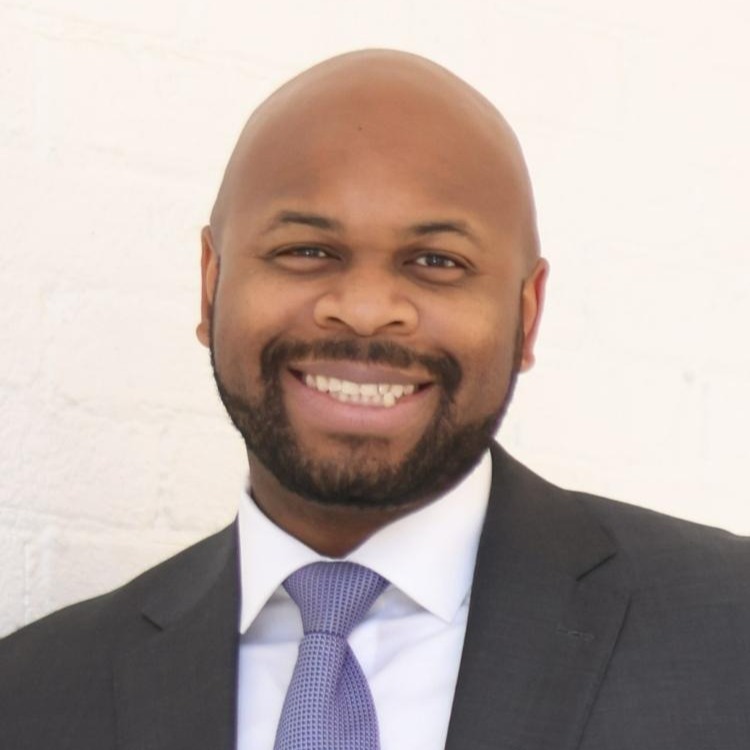
Bradley Akubuiro: This cultural political divide that we've seen has just been in our faces every single day, and it shapes everything that we do. You almost can't have a conversation in this country without realizing that folks are on very, very different sides of almost every conversation. And so that really creates an application to how we communicate, not only with our customers, but frankly, even with our employees.
Steve Halsey: Welcome to Building Brand Gravity. I'm Steve Halsey.
Anne Green: And I'm Anne Green.
Steve Halsey: And today, Anne, we're talking crisis communications, which only makes sense given the insanity of today's operating environment for most organizations. And, you know, just thinking about all the factors that are in play right now, the interconnected nature of business in the world at large, the [00:01:00] speed that information travels, the ever-growing numbers of channels, changing expectations of stakeholders, polarizations in many countries and cultures.
Those are a few, but of course we can't forget our favorite, we can't do Building Brand Gravity without talking about the impact of AI. It's a lot to take on for even our most experienced leaders today.
Anne Green: Yeah, I agree, Steve. You know, I feel like it's never been a more important moment for leaders and organizations to reexamine what they know about managing through a crisis, and also to seek best practices that really meet this moment.
Um, happily, in a little while we're gonna have an expert joining the pod to help us think through this. I got to have, earlier this week, a truly excellent and wide-ranging discussion with Bradley Akabiro, who's a nationally recognized expert on corporate reputation and crisis communications. He's a partner at the agency Bully Pulpit International, which many may have heard of.
He's a friend of us, ours through the Page [00:02:00] Society, and Bradley is the author of a brand new book titled Faster, Messier, Tougher: Crisis Communication Strategies in an Era of Populism, AI, and Distrust. Super timely.
Steve Halsey: Very, very much so. Well, well, before we dive into your fascinating conversation with Bradley that, that our, our, our viewers are gonna absolutely love, I thought maybe we could start off by both sharing some observations on, on just the changing crisis and risk landscape, and the kind of advice that we're each giving our clients today, because I know it's a topic that you're actively engaged in and, and I seem to be more and more these days.
Anne Green: I think, um, the big thing I've been thinking about now is what it means to live your values as a corporation as well as a leader individually. And Bradley and I got right into this conversation The, the issue is a company cannot navigate a challenging situation effectively without knowing what [00:03:00] values are most central to their business, as well as which of them are most closely tied to their operational goals and really freedom to operate, you know?
And not all values are important, but not all of them are built the same depending on what the crisis is. And I, I think that this sounds easy, but it's, it's harder than, than just the surface of it, right? Everyone knows that companies should be rooted in their values and be crystal clear on what they stand for.
We hear that advice all the time, especially in this moment of polarization. But Steve, you and I have both seen too often, unfortunately, that the time and effort it takes to clarify that across senior leadership, then build understanding and buy-in across all operating units or geographies, and then to make it legible to staff no matter what their role, well, that level of work is often not pursued.
It takes consistency. It might be taken on partially, but it really needs consistency and depth. And especially in this environment when polarization makes [00:04:00] many organizations wanna kind of what keep their heads below the proverbial parapet, you know, sort of hide behind the hedge. So when a true crisis flies out of left field, unfortunately there's no time to backtrack and build this kind of foundation.
And the key is taking time to, as Bradley says, and I love this quote, "Know where you stand so you can then stand there." Simple words, but to me, very, very wise.
Steve Halsey: Yeah. I, I like that a lot, Anne, and, and, you know, really couldn't agree more. You know, so much of the hard work of crisis preparedness goes much deeper and wider than whatever plan is created.
You know, it's kind of like that concept we've been talking about of corporate narrative as your operating system. That really is truly fundamental because the best laid plan that sits on the shelf or somewhere in your hard drive is, is no good if it just doesn't become an innate part of how you, how you, uh, just work.
So here's kind of what I've been thinking about on the crisis [00:05:00] front. You know, one of the biggest shifts right now Is that in many cases, the large language models are really becoming the first responders in, in a crisis. And, you know, I've written about that in a, in a number of industry bylines because before the company issues a statement, before any journalist writes a story, basically before humans are actively involved in assessing what the heck is going on here, the large language models are already starting to synthesize what's happening, summarizing it, shaping, pulling from what's out there- Mm-hmm
to try and understand the situations the best they can. So that means that your reputation isn't just what you say at the moment. It's really that system that you have in place and what that says about you, because that's what's being pulled into the large language model, and it really raises the bar for preparation.
Um, and we're seeing this right now in, uh, one of the crisis situations we're, we're [00:06:00] consulting on right now, because the reality is, if your narrative isn't clear, consistent, well-distributed across your digital footprint already, AI's gonna fill in the gaps. And this is really important. If you don't audit and you leave that old information out there, guess what's gonna be found?
Guess what's gonna be up there in the AI summary? It's gonna be that older information that's gonna be referenced. And unfortunately, once that initial interpretation takes hold, as you know, it's very, very hard to unwind, to move that needle. So, so increasingly, we're advising clients to really think about crisis readiness, not just in terms of that response when something happens, but what is that pre-response that you wanna think about and get out there ahead of time?
And so it really comes down to, um, really what I'd call a four-step checklist that I'm giving clients right now, which is number one, [00:07:00] are you clear on your core narrative and as you said, the values, and are they consistently expressed and findable? 'Cause if you have values but you don't make them findable, it becomes really difficult to believe that you're truly living those every day.
Number two, do you have credible, high-quality content that really reinforces that narrative across trusted channels? Number three, and this is important, are your executives and subject matters experts visible in everyday communication, and is that visibility aligned with what you wanna be communicated about your values?
And then finally, do all these signals connect in a way that becomes easy, not just for people, but for the machines to interpret? Because in this environment, if you haven't shaped the narrative, it's gonna be shaped for you.
Anne Green: I couldn't agree. I co-sign on all of that, Steve. I think those fundamentals are excellent, those checklist.
I know we're actually, you know, working on it [00:08:00] for ourselves. We, we have to turn this skill set to ourselves as a group and as our two agencies, and we're working with many of our clients on these questions. And I think we also, you, I, and many others need to keep evangelizing regarding what is required here.
I think Bradley is absolutely doing the same. So, and you know, this whole conversation also reminds me of the discussion around confidence and trust in business that you had on an earlier episode of the podcast, and that was focused on the Page and Harris Poll, um, Confidence in Business Index. So if folks haven't listened to that one yet, I also highly recommend it.
Steve Halsey: Yep, lots of points of connection here, but I think we ought to get to your conversation with Bradley, Anne.
Anne Green: I'm so happy to welcome Bradley Acabura to this podcast. Hey, Bradley. How are you? Hey,
Bradley Akubuiro: Anne. How you doing?
Anne Green: I'm good. I'm good. I'm here on the occasion talking to you about your book- Wow ... which I have here.
I love the artifact. And as we discussed, the title is not just printed here, it's printed here. Yes. So [00:09:00] kudos to you for insisting on that, because those jacket, dust jacket removers like me, the branding has to be right, Bradley, right?
Bradley Akubuiro: I, well, I, I love that you and I have the same mentality on this.
Anne Green: Yeah, when I took it off, I was like, "That's so smart.
Everyone should do that." Anyway, I'm thrilled to have you. Congratulations on the book. How does it feel to have it out there in the world? It feels
Bradley Akubuiro: great. It feels great. I mean, I think, you know, the way that the world feels right now can be a little chaotic. It was a little chaotic trying to work through this book.
In some ways it was cathartic, though, uh, because I was able to make sense of what I was seeing and feeling. Uh, but now having it out has just sparked so many great discussions, and I'm having a great time with it.
Anne Green: That's awesome. So I'm gonna get a little bit into your introduction, but I'm, I'm trying to make sure that I follow good communications principles.
So I'm trying to start each interview now by asking my guest to tell our listeners what to listen for, as we have a pretty wide-ranging discussion. And by the way, [00:10:00] you know, we had a prep call. We could talk about a million things for hours. There's so much in the book, and just in general. But what are the couple of things you want listeners to be really listening for as we get into this conversation?
Bradley Akubuiro: Yeah, I had someone actually stop me and ask me, you know, to explain this book in, in 20 words or less. Um, and I think I probably got right on the line and, and the way that I describe this is you can no longer please everyone, and in fact, you are going to upset many people with almost any decision that you make.
So you have to identify the people that matter the most to what you're trying to accomplish, and then get tough about tuning out the noise. So- That's great ... yeah, I, I, I will say that when you go through this book, you will find many different stories. You will have lots of different elements, particularly kinda conversations around polarization and, and populism, uh, around the advent of AI and what that's meant as a disruptor and an enabler.
You will find so [00:11:00] many conversations around how to really narrow your audience. Um, at the end of the day, what I hope people take away is that we actually need to be comfortable in the discomfort of the moment that we're in, and we've gotta push through, because the things we need to accomplish don't change because the environment has.
Anne Green: I think that's so well said. And, and just for those who don't have the book in hand, Faster, Messier, Tougher: Crisis Communication Strategies in an Era of Populism, AI, and Distrust. So, you know, I wanna backtrack now to you've had a really diverse career. You're right now a partner at Bully Pulpit International and an expert in corporate comms, and I'm looking at your dust jacket here.
But you've been on the corporate side at Boeing and what used to be called United Technologies, UTC. You've worked, um, with Reverend Jesse Jackson Sr., which I am sure was quite an extraordinary experience. You've counseled all kinds of folks as a consultant, including world governments. And to me, um, that career is quite rich, and it means that [00:12:00] you have a lens that's really more like a prism, right?
So you got a lot of facets there. You can turn it and turn it and see a different surface. And I assume that brings you a lot of different perspectives. As you think about the evolution of corporate comms and crisis, how has that prism of a career, if that resonates for you, informed, um, what you're thinking about in terms of crisis today?
Bradley Akubuiro: It, it does resonate, Anna. Actually, I think it's one of the best ways that you could capture that concept. You know, I've had a lot of different perspectives that have influenced the way that I see the world, um, and it's been extraordinarily helpful. You know, I, I talk in this book a little bit about a episode actually at United Technologies where we were, uh, our CEO was on the American Manufacturing Council, uh, that was led by the White House during the first Trump administration.
Um, and I talk about kind of the race to figure out what we would do, um, when, uh, Charlottesville, when the episode in Charlottesville happened, uh, [00:13:00] and every company was trying to figure out, do you continue to engage with this council or do you not? And one of the stories that's in this book is about this small group of, uh, communications leaders that kinda came together, myself included, um, and others at a few different companies that were also trying to figure this out in real time.
And I will say the perspective of having a political background, having a communications, particularly corporate reputation background, um, the real kind of employee insights, um, and the real advocacy, uh, lens that I was bringing to the conversation, uh, was extraordinarily helpful in a moment where the world was being turned upside down.
Uh, the things that we were dealing with in that moment to make the decision, uh, were so much more than how is this gonna look on the front page of the news tomorrow. And I think being able to bring those perspectives to bear when you're thinking through how do we navigate these true trust-related, uh, issues is so important, and I think it's only gonna become more important as we start [00:14:00] walking further and further into this, um, disputed trust kinda society.
Anne Green: I love that story because it's also a story about finding community in your peers. Um, you and I met through a community like that, Page, and, and through other venues and, um, in this kind of volatile environment, and that certainly was an example of that. I remember that time well, and it was very interesting to see the kind of stories you share in the book, and that one especially with Charlottesville.
And I remember that whole story about these councils and who's gonna say what, and I can-- You talk in there about the pressure for media to respond, to respond, to respond, and I love the fact that, you know, you were able to tap into others who were in a similar situation. Not everyone made the same decision.
As, as you say in the book, not every company went the same route. But you were able to kinda tap into that, um, that brain trust. But why this book and why now? You know, there's, there's, there's all, uh, the, the world has been plenty interesting [00:15:00] for a while now, but what made you feel compelled to write this to, you know, at this time?
Bradley Akubuiro: Yeah. Well, a few things. I think the world has been interesting for quite some time now. I think the pace of change that we're seeing in the world has accelerated so dramatically over the last few years that it almost felt like it was time you had to put a marker in the ground and say, "Here's what we've seen over the last few years that has brought us to this point, and here is how we have to operate differently, uh, to be able to engage, uh, and frankly, survive in the crisis of today."
And so one of the big factors around this was the acceleration we saw around COVID. Um, there were a few things that changed pretty dramatically, but that include some of the gaps that are created around common fault lines, uh, that are really, really important for us to pay attention to. The economic divide has only widened, and the s- disparity between haves and have-nots has grown as a result.
Uh, we have seen just an absolute, um, expansion of the technological divide with the advent of, of AI in the form that [00:16:00] it's at today and the accessibility that it's at, and the ability to create, uh, credible disinformation with the speed and scale with which we can today, um, has absolutely exploded. Uh, this cultural political divide that we've seen has just been in our faces every single day, and it shapes everything that we do.
You almost can't have a conversation in this country, uh, without realizing that folks are on very, very different sides of almost every conversation. And so that really creates an application to how we communicate, not only with our customers, which I think consumer companies, uh, have been feeling for some time, but frankly, even with our employees, um, our regulus- uh, regulators and policymakers, um, and with our stakeholders across the board.
Uh, and so for us to really pay attention to these things is so important, and how people get information in this information divide is, is really critical. You know, um, nearly half of people under the age of 30 in this country are receiving [00:17:00] their information, uh, from social media. Um, you know, when you start to think about just the sources of information, they're so different, and that's before you even get into the lenses that are put on this information, uh, when people do receive it.
Uh, and so I know you mentioned the institutional trust piece. That divide has only int- increased as well. I think we have seen a decline in institutional trust for quite some time. Um, what we have seen is a precipitous drop-off over the last couple of years. And so why now? I think because the world is a different world than we operated in before COVID, and I think the moment that we have right now is gonna determine who are the brands and who are the leaders that are able to champion a future, um, that is, uh, unfortunately, in this faster, uh, messier, and tougher world, uh, really able to kind of put together, um, a, a regime that allows them to be successful.
Um, and it requires different actions from each of us.
Anne Green: Yeah, and there's, there's so much to [00:18:00] unpack here. I'm, I'm excited. I know other leaders in our space listening to this have 17 ways they would want me to go right now. But the first thing I'd love to do, because this really caught my attention, is, um, Bradley, what is a crisis?
We all think we know what the word is, but I feel like in crisis communications, the very first thing we have to do is figure that out, and I'll tell you a very quick story, and then I, I want you to answer the question. I remember years ago, remember the Domino's food tampering video from years ago where there were employees putting cheese up their nose and very unsavory things, right?
And Domino's really came down like wrath of God. You know, they found the employees, they fired them. The CEO did a video, and there was like... They did a lot. And I remember hearing the Domino's marketing chief, I've told this story like 1,000 times to colleagues. I remember hearing them speak at an event, might've been Association of National Advertisers or, or something else, and, and his quote was, "We didn't know if we were putting out a candle with a fire hose."[00:19:00]
And that to me is, I just can't get over how apt that is. So in the context of that story and in the context of your book, what is a crisis and why does it matter that we can interpret whether it is or not?
Bradley Akubuiro: Yeah. Well, look, I think that's such a really, really great, uh, way of thinking about this because it's so hard to know, uh, particularly in the initial moments.
Um, I, I wanna come back to how you can figure out in a second, but to define your, your, your question around what crisis is, it is something that impacts your license to operate or your ability to operate, and usually within a strict near-term time period, right? If this thing goes wrong, this thing blows up, is it going to keep me from being able to operate within the next 90 days?
Um, and I typically put it into a few camps. You know, does it invite, uh, policy or regulatory scrutiny in a meaningful, disruptive way? Does it impact your market or commercial, uh, commercial, uh, [00:20:00] context? Uh, or does it impact your employees' ability to get their job done? Uh, and so if you think about it from one of those perspectives and it doesn't do one of those things, I think there is a large onus on you to figure out whether there is an engagement that is required at the level that you're describing with Domino's.
Um, but if it has the ability to do one of those things, it really is incumbent upon us to move swiftly and decisively to shut it down.
Anne Green: Yeah, that's a great answer, and I know you distinguish between that and things that are an issue, and there are many, many issues. I mean, the, the arrange and diverse array of issues, the issues landscape, as people might say, is huge.
But it was helpful to me in reading the book of really asking myself and interrogating again, what is, um, both the quantitative and qualitative, uh, ways I assess what is truly moving into a crisis? And h- and, and it's, it's obviously moves back and forth. You know, it can evolve from an issue to a crisis.
Bradley Akubuiro: That's exactly right. And it is worth noting, I mean, as you're [00:21:00] trying to figure out what are the things that have the likelihood of being able to do that, it's so important to take stock of what your vulnerabilities are. You know, we all have them, both as organizations and as individuals, and the key is not to, to become perfect.
It's not possible to become perfect, right? But we have to understand where those vulnerabilities exist and then figure out what are the things that I need to do, A, to inoculate against them, but B, when a, uh, what is a critical action is taken against your organization, whether it is true or it is false or it is self-inflicted, um, to determine whether this is gonna become a crisis or not.
Typically speaking, the things that fall into an area of vulnerability for you, um, those direct hits, those have the tendency to become not only crises, but often very fast-moving, um, and have some virality to them. Uh, those that strike you in places where you're strong are less likely to become that. And so we really have to take really true stock [00:22:00] of, of who we are, uh, and, and where we have those vulnerabilities to understand, you know, where is the damage likely to be done.
Anne Green: Yeah. That makes a lot of sense. You know, I-- when you and I were preparing for this, I was thinking about the landscape today and, and I've been watching obviously these lawsuits regarding social media, the infinite scroll, and, and that phrase came back to me, the infinite scroll of crisis or the infinite scroll of issues, and it feels like that, and it's not just social media feeds anymore.
And you know, I, I think that one of the learnings that jumped out to me, 'cause I absolutely... I mean, we do in media training, we say, "Know what is not your story." You phrased it not, I have the notes here, "Not every crisis that impacts you is your cross to bear or your thing to carry." You talk about the trap here for, um- For comms folks and their leaders, I mean, I think it's very easy to get caught up, right?
Bradley Akubuiro: It's so easy. It's extremely easy to get caught up. Um, and I will say there, there are, you know, maybe two stories that I would tell about this, and, and one [00:23:00] I think, um, is, uh, apropos to kind of some of the United Technology stuff we were talking about a minute ago. Um, we had a, uh, very powerful senator. The book is, uh, uh, quick to art- articulate kind of a little bit more detail on this, but I hope you'll read it.
Uh, the, uh, uh, senator had called out the company from the Senate floor in a floor speech. Uh, and instantly, as you can imagine, every leader in, in the company was like, "Hey, we gotta do something about this." Uh, and the reality is when we actually looked at the data, um, in that particular instance, uh, in that particular format, uh, there was a huge spike in terms of conversation around it that lasted probably about 15 minutes, and then it dropped off.
And we did not actually have any more engagement almost at all, um, from those who were within kind of the target orbit of stakeholders we had to care about in the Beltway in that moment. Uh, and so had we [00:24:00] leaned in and had a statement or tried to correct the record or do something meaningful in that moment in response, not only would we not have helped the situation, but we would've actually added fuel to the fire and created a news cycle where there was none.
Uh, and so it's so important to understand, it doesn't mean you don't have any engagement. Of course, we wanted to work with the senator's office and, and do these things behind the scenes. But when you're thinking about what engagement is required, you wanna match it to the level of risk that is posed by the action in front of you.
Um, and so, you know, I, I, I, I will say in context of today, almost every company that's moving products is impacted by the shutdown of the Strait of Hormuz. Um, I, I wrote this article for the, uh, Economic Times of India, uh, about 10 days ago or so, um, or I shouldn't say 10 days ago 'cause we're gonna do this later, so let me take a step back on this.
I wrote this article for the Economic Times of India recently that talked about the challenge that a lot of companies are [00:25:00] facing, which is your ability to move products around the world is impacted significantly by a war that's going on in a region that you may not operate in, you may not have employees in, you may not actually have any engagement that's direct in, and yet your supply chain, your ability to logistically move your products around the world has been impacted significantly.
And so you have a question that you have to answer internally, is this something that I need to communicate around? And the answer may be yes to some stakeholders. They may wanna understand why your prices have increased. They may wanna understand why delivery windows have increased. They may wanna understand what are you doing to create additional sources, um, so that you are not, uh, having so much exposure, uh, in this instance.
Uh, and you have to decide what you're gonna communicate and when you're gonna communicate, or if you are gonna communicate at all. You know, reporters will often reach out to a bunch of companies and say, "How is this [00:26:00] impacting you?" And the fact that they've reached out to you, and the fact that there are impacts, does not mean that it's your story to own and that you need to have something to say about it.
But the important thing is really understanding what is your level of exposure, and which of your stakeholders are gonna care significantly about hearing from you. And if the best way to reach them is individually, do that, but if the best way to reach them in a meaningful, uh, and, and kind of trust-building, uh, uh, way is to do something that's a little bit more public, then consider your options for that.
But you have to weigh them, frankly, on a case-by-case basis with these types of issues.
Anne Green: I, I love the way you're looking at this discussion, because I think you and I have both seen, and, you know, I'm not a rocks in glass houses person. I know how difficult it is to operate. I've, you know, hundreds and hundreds of clients like you have in, in every different kind of situation.
But I think it-- there's so many crisis plans out there where they're a RACI, you know, who's responsible, who's accountable. There are risk grading, you know, [00:27:00] frameworks. Um, all of the tools are there, all the players, and yet what really happens in the moment in a very qualitative and human way when you get into the idea of risk grading, and where does it, the bias of that sort of, you know, body feeling of com- getting attacked, you know, each individual and the, the leadership, like what it feels in your mind and body, and the anxiety it creates to be attacked, and how responsive you are to that.
And I feel like a lot of that discipline either hasn't been practiced to the depth it needs to and really unpacked, like really unpacked. What does it mean to grade risk? What does it mean to understand that there are issues coming at us, but not all of them are commensurate? And when does our best quantitative and qualitative data and best practices tell us that reacting will help, you know, mitigate or reacting will actually amplify?
I mean, these things are just not really practiced and discussed at the depth. And I see you smiling 'cause I know you're on the same [00:28:00] page. But I, I, I hope that this is a clarion call, you know, to folks who engage with your book to think about how nuanced these things are, right?
Bradley Akubuiro: Yeah. Well, I, I hope so too.
You know, the reality is it is extremely difficult to do these things. Um, and so, you know, to your point on, on rocks and glass houses, we all have to have a little bit of grace, um, not only within our own organizations, but for others. Uh, that said, there are ways that we can get really sharp at doing these things and, and frankly, the number one way is to practice it.
Um, you have to put the scenarios together where you feel, hey, if this happens, it's gonna be a real issue for us. A lot of these scenarios are knowable, not all of them. A lot of them are knowable, though. And so to really put people in these simulations, recreate the stress, I specifically encourage people to, to take the tone that you would take in a real crisis, because we know we can be very, very polite in simulations, and in the moment it doesn't feel that way in the [00:29:00] room.
And so let's actually kind of put on the, the, the mask and do it the way that we would do it, because you'll need to if you wanna be able to break the s- the, the thing before, uh, the moment comes where you have to.
Anne Green: Yeah, I wrote a piece a number of years ago about that famous quote from the, the CEO of BP at the time with the Gulf, you know, um, the, the well, you know, that was polluting the Gulf.
And, and he said, "No one wants my life back more than me." And that, that's maybe not exactly the comment. He was just ripped apart and all the comms leaders were like, "How could you do that?" And I wrote a piece about the fact of we need to pay attention, and I'm not saying it was great, it's not great, but that was a real human reaction.
And what you need to do as a senior comms leader is to understand that emotional and psychological aspects of your leader and yourself and what happens under pressure. So that, that's just me really co-signing. There, there is that deeply human aspect to this, and before we again throw those rocks, we have to say, "Wow, that was a really honest reaction.
Not [00:30:00] optimal, but, but very real, so what do we do about that?"
Bradley Akubuiro: You know, I teach these classes, uh, for executive education classes amongst others, uh, over at Northwestern University. And, and one of the things that I do on a regular basis is ask communications leaders who come in to take these classes to actually sit in the hot seat.
Um, we ask them to actually get in a studio that's a fully operational studio and sit behind the desk, uh, with a broadcast anchor, whether that's myself or, or an actual, you know, person in the broadcast media orbit now, and we grill them. We ask them the tough questions after we've had that, you know, opportunity to put the scenarios together.
And they usually don't see it coming 'cause they're expecting somebody else to come in and do it. But asking them to sit there and do this, I will tell you, to a person, the feedback is always, "I am so glad I had the opportunity to see what it feels like with the lights in my eyes and the grilling questions coming, because the thing that I said is not at all what I thought I [00:31:00] would've said.
And of course, if I was sitting on, you know, the other side of the desk, I'd say, 'How could that person say that?' Well, now I know." Um, and I think it's just so important for us to understand what it feels like, to your point, to sit in those seats as we're counseling people. Um, and that knowledge, I think, makes us better communicators and better leaders.
Anne Green: Yeah, and Troy, you know, in my role as a, as CEO of our firm and a spokesperson, but also a, a trainer, um, and a coach, I love taking my own medicine, and I try to tell people that I do. So I wanna go to an area that, to me, I've been thinking about for a number of years, and, and you brought up some very-- I'm looking at my notes here.
The idea of unprovable truth, that we're in this place. I remember saying to colleagues years ago, if we're in a pro- post-truth situation here where we're gonna interpret it, confirmation bias, whatever is convenient, and also it w- that was even well before the channel, you know, algorithmic issue where people are only seeing...
It's like we're in alternate realities. [00:32:00] You know, how do we do our job as communicators that we usually use fact and to shape perception? But the unprovable truth to me got even more interesting when you talked about building trust. It's obviously foundational for organizations. But you had a couple quotes here, "Trust is the real moat," and that, "Truth and trust are different currencies.
In crisis, facts are important, but trust is king." I think this really gets at the heart of what we're struggling with as leaders, as communications professionals, and also broader in society. Tell me what that means, that truth and trust are different currencies.
Bradley Akubuiro: Yeah. When I think about truth, I think about kind of the concepts of, of facts and what's, you know, reality from your perspective and, and, you know, facts win arguments, but trust actually wins you the benefit of the doubt, and the benefit of the doubt is actually what saves you in situations where the story moves faster than the facts, right?
And I think [00:33:00] we're in a moment right now where so many times the truth is something that we are searching for, we are seeking it out, we are going to our, if we're a manufacturing company, going to our engineering teams and trying to understand what went wrong where, how do we identify what the root cause is.
And all of those things are extremely important, and our stakeholders expect us to get to them. But what they need to know even before they know that is that you have the situation under control, and they can trust you to manage through it. If you can't convince them of that, then you fail way before you get to the root cause, right?
And what I think is really important, and you alluded to this even in the question, is, you know, studies show that about 70% of Americans are only consuming news sources that reaffirm their own worldview. And so if you're now trying to figure out what are the ways that I can talk to somebody to meet them where they're at, it isn't gonna be by winning the argument through facts.
It is gonna be about actually talking to them in terms that they can [00:34:00] understand, um, and that they will be able to say, "All right, this person gets how I see the world enough so that I'm willing to hear them out." And that ability to have a conversation with people is something that I think is becoming more and more of a lost art form.
But it's not only true for us as individuals as we're engaging in our lives, it is true for businesses and organizations writ large that need to figure out how to communicate with a populace that is so divided, and frankly, more divided than it's been at any other time in our contemporary history.
Anne Green: It's so helpful to tease these apart because I do think those of us who've been in this field a long time, or even younger folks too, client side, agency side, whatever, there's this deep feeling of, "This is a fact.
This book is solid. Look, it's real. You know, this is, this is a real thing. Why aren't you listening to me?" And, and we've all now very, very much understood the polarization of channels, the impact of algorithms. I th- I, I believe social media, AI too, it's the best and worst of us. Humans [00:35:00] create it. It's-- I always joke it's utopia, garbage fire, and everything in between.
So just because It's social media and the algorithm doesn't mean it's all bad, but I think we are seeing the impact of it. Um, AI is gonna make that worse, as you've said. It's, AI is going to be incredible in so many ways, and I'm dealing with this with my own staff and with our clients, and we as a society, that mental load of AI, dealing with both the amazing opportunity and the really dark stuff.
As we're recording this podcast, we're seeing growing evidence of just a lot of negativity in the populace as a whole, and we have a lot of understandings of probably where that came from. The narratives out there are rough. But I do wanna build on this polarization question, because we're gonna put these pieces together, which is interpreting a crisis, interpreting our vulnerabilities, knowing what is critical for you to operate in a s- in a situation that's highly polarized and where people may or may not be accepting a truth, and you have to build trust.
So, [00:36:00] you know, no big deal, Bradley, you're gonna solve this for me right now. But you said at one point, "Conviction pays. Waffling costs everything." And another quote, "People can accept disagreeing with you, but they never accept hypocrisy." So talk a little bit about that, 'cause I think it goes to this question of knowing your values and, and standing in them, but I, I think that's very hard today for organizations.
Bradley Akubuiro: It's extremely hard for organizations. It's extremely hard for people. Um, you know, you and I both appreciate kind of the human psychological elements of the craft, right? And I think it's so important for people to continue to use that as a foundation as they think through so much of this, because, you know, that, that whole point on hypocrisy, I think, is really about human nature.
You know, people actually do find that those who they disagree with, they may trust more, um, because they know that you are solid in your conviction. I, I say this to people all the time, but you actually have to figure out where you stand and then actually stand there. [00:37:00] And the reason for that is because when people see you do that on a regular basis, then they know what to expect from you.
They may not always like it, but they know what to expect from you, and there's a level of respect that comes from that that doesn't exist with people who think you're gonna say whatever you need to say in order to win their vote or to win their, um, uh, appeal. And so I think that's really, really critical in this moment when people end up on so many different sides of these issues.
Um, whatever the issue may be and whatever side they choose, they want to know that you are a person or an organization that's gonna stand by what you say, and that your actions and your words are gonna be aligned, and they're gonna be aligned over time. And so, you know, I, I, you know, you can point to so many different examples, uh, of where this has been true.
I think a great example is Target. You know, we have seen an organization that was known for bringing Black-owned brands into their stores and giving them spaces on shelves, you know, having real strong support for LGBTQ audiences, [00:38:00] um, and found, you know- a rough spot, a hard moment, uh, in the new administration, uh, towards the beginning of 2025, where they scaled back some of their diversity, equity, inclusion policies.
Now, I don't think that the act of scaling it back as a retailer itself was the issue. There were several other organizations that did this at the same time. But it was the fact that people had known them for being an organization that supported those communities where it felt more like a betrayal. And so what I think organizations can take away from that, and, and if you look just, you know, to say it out loud, you know, about $12 billion of lost value later, what you can take away from that is that people will watch what you do more than they watch what you say.
And so when you are a communicator in these rooms and you're telling the business case, uh, for what is a, a, a really difficult decision to stand in your conviction, uh, you do have, [00:39:00] uh, precedent on your side. Organizations that have waffled in these moments are taking massive losses, are experiencing boycotts, are having talent flood out the doors because they can't tell whether leadership is actually aligned with the values that they hold dear.
Uh, and the organizations that are more consistent in those values, whether they are, you know, the Hobby Lobbies or the Chick-fil-As of the world, or the, you know, Patagonias or the Ben & Jerry's of the world or everything in between, those who are consistent and people can read are able to say, "You know what?
This is a place that I can trust." And we come back to that trust question all the time. Um, I would take it one step further and talk about it in terms of resiliency. These are the organizations and the brands that are the most resilient to these changing times because they're the ones that have created, um, a level of, of, of, uh, conviction, um, that builds, uh, that resilience, uh, even when the odds are stacked against you.
Anne Green: Yeah, my colleague Steve Halsey, and we've talked about this a few times on the podcast, the idea [00:40:00] of corporate narrative as an operating system. And we talk about that consistency and not like the little N of narrative, like here's a messaging document, but the big N, that narrative that it's why we operate, it's what we're serving, it's what our values are, it's the whole piece.
I wanna hold on the DEI question, diversity, equity, inclusion, belonging, all the different aspects of it, because I think it's a particularly interesting and painful case right now. You know, I want to acknowledge that oftentimes in the past years, as heartening as it was to see these concepts, and I, I think of them as a set of principles and practices, a lens through which we look, but also a way we open the aperture and bring more people in, right?
You know, I think it's often seen as a negative somehow or, or subtractive to people. But it, it's an interesting thing right now because, um, I acknowledge that many companies were not very precise or clear about what they meant by these and, um- When these types of bigger things, whether it's [00:41:00] ESG, DEI, AI, acronyms are, um, just sort of folded into these, like, very flat acronyms, and they're not defined well, and they're sort of applied to things.
It's very easy for it to fall apart. But right now, I think what we're observing, and you've, you've said it really eloquently, is that this is a good case history in where the polarization is really making companies, the way I think about it, is kind of hiding behind the hedge or behind the parapet and sort of keeping their heads down.
And yet there are real consequences to that, and I think it's a good way of examining. We always say to companies and we say to each other, "Hey, you have to know your values and stand in your values." But how do companies do that when it is difficult to do? Um, you know, how do companies overcome their fr- current fear of attacks, say around, you know, something that's been demonized like DEI when their values will tell them that there's aspects of their stakeholders or operations that are, are really material there and real?
I mean, what's, what's your thought about that, [00:42:00] Bradley?
Bradley Akubuiro: Um, there are two ways I can answer this question. Um, I, I think I'm gonna start with the more mechanical answer, uh, and I'll, and I'll go into kind of maybe a, a slightly broader, uh, response that's a bit more philosophical. But, you know, on the mechanical side, I usually use a chart that I think is very instructive.
It's got, you know, uh, the two axes and, and on one axis is alignment, you know, to your strategy, right? Your alignment. And, and two is impact and what you might consider to be interest. And so, you know, traditionally something that's in the top right quadrant on this scale is something that is high alignment to your brand and also, uh, of, of great interest to others.
And the reason why that's a really interesting camp to be in is if you are a company that is, for example, a, a, an aerospace company, uh, and your airliners are looking for lower fuel burn reduction, one, because, you know, the cost implications are pretty significant, particularly in the moment we're [00:43:00] in. Uh, but, uh, also because many of their customers are requesting cleaner air travel in this moment, um, you're gonna continue to talk about sustainability, and it might be a contested subject in some political circles, but it's not gonna be for you because your customer really needs it, and there's a lot of interest in that moment in that space.
And so it has high alignment to your organizational strategy, and so you should be very loud about that. That's a really easy way for you to be able to conceptualize it. Um, whereas for another organization in another industry, that may not be true, and so you may not wanna talk as loudly about it. When we go specifically to the question of diversity, equity, and inclusion, you know, I have traditionally advised people, you know, if this is a value that you have always kind of espoused, you should put it in that top right category, and you should talk about it loudly.
In this particular moment, there are organizations that I've suggested, "Hey, think [00:44:00] about whether you pull that down one quadrant and say, 'We are still going to do these actions,' and you are still going to engage around them because they still have high alignment with your values." But because the interest actually poses more of a risk than an opportunity in this environment, there are times where you should do those things, but do them quietly.
And it goes back into what you were saying and, and we were discussing just a minute ago, which is you need the consistency, uh, of action in order to reinforce the conviction. However, you don't have to shout all of these things from the mountaintops at all times, because putting yourself in that level of risk may actually harm your license to do the thing that you wanna do most.
And so if it's gonna impact your license to operate, what we talked about right from the beginning, you may create a crisis for yourself in a moment where you actually really just wanna be doing the work. And that consistency is what's gonna give people the ability to go back and check your track record on it.
That's the thing you need most. So make sure that it's accessible, but [00:45:00] decide on the volume.
Anne Green: Yeah. I think that's great advice. I like both those, and I love that framework that you shared. Um, we need these simple rubrics just to help us think through things that can feel very subjective and opaque at times.
And, you know, it's like even recently, the idea of standing where you're standing, like know where you stand and then stand there, which I love. I love that phrase. It's a good kind of let, let's bring us back to the center here. You think about something like the Super Bowl halftime show and Bad Bunny that was just recent that-- in our memory.
A lot of noise around that, a lot of polarization, a lot of folks, and also may I say bots and foreign actors trying to capitalize. We are really being gamed in our society right now. There is, I think, not enough awareness of how much of the social media traffic we see that is not human, that is either advertising driven or other actors seeking to divide us.
So I always remind myself of that. You know, it's very hard to get people [00:46:00] focused on this. But there is a lot of pressure on the NFL to, um, to do something, say something and, and it was interesting, you and I both had the chance to hear from the NFL at a recent conference we attended. The head of marketing, very impressive individual, but also very clear on they knew who their audiences were, the Spanish-speaking world, that diaspora is very critical.
The-- he didn't talk about it, but relationships with Roc Nation, with Apple, um, the nature of, of who Bad Bunny is and, and just the stardom and all of those things. It was really interesting to watch that in live time, and the NFL basically kind of saying, "I'm not engaging with this. I'm not engaging with this," even though the pressure, I'm sure there was a lot of anxiety around it.
I mean, I don't know. Uh, is that, is that a good example of some of what we're talking today, about today?
Bradley Akubuiro: Is 1,000% a good example. Um, I, I've worked with the NFL now for about four years or so, um, and almost all around questions of, of diversity, um, equity and inclusion, [00:47:00] and social impact. And so as I've continued to work with them and seen how they operate, one of the things that I really, really respect about them is that they follow the data.
Um, they know that, one, it is a massive growth market for them, uh, in Latin America, and so they really want to be able to say, "All right, we are engaging in ways that are inclusive for that community that we're trying to grow with." Uh, but number two, they also understand this concept we're talking about, uh, when it comes to conviction, right?
The, uh, worst thing that you can do when you're trying to bring new people into the table is say, "We are only next to you when it's convenient," right? Um, you have to either be all in or all out when it comes to these things. And so they said, um, "This is a community we want to work with and be with, uh, and, and we're gonna support them if we're gonna ask them to support us."
And I think that the activities reflected that. And so I think there's a lot that we can all learn, and it really is the concept of tougher in this, you know, faster, messier, tougher piece. You know, not everything is [00:48:00] always gonna be clean or easy, and yes, you're gonna see some backlash, some of it human, some of it not, and we should talk about that piece of it in a second.
Uh, but one way or another, you have to actually have the resolve, uh, to stand by those things even when they're difficult, um, if they reinforce your strategy and your value set.
Anne Green: Yeah, absolutely. I know we're gonna start wrapping up soon. We haven't really talked at all about employees as one of those critical stakeholders.
To me, really they're the number one stakeholder. Um, the idea of how you create that sense of authenticity and trust in leadership. They're gonna look at things you do too and wonder, is this consistent or not? Is there anything you wanted to just say at a high level about employees as a stakeholder in this context before we sort of start to wrap up today?
Bradley Akubuiro: Yeah, I, I would. I would say employees have the ability to either be your greatest ambassadors or your most credible detractors. Uh, and so how you engage with employees has to be not only thoughtful, but you [00:49:00] really have to prioritize them right at the top of your stakeholder set, because nothing happens in your business without them, right?
And so I think about when we were at Boeing, for example, we had about 70,000 employees that were in Washington State, and e- uh, even though, uh, you know, many of the conversations we needed to have were with regulators, with, with customers, uh, were with others, and so we had to think about external communications, uh, very, very seriously.
Figuring out how do we actually engage- With our employees that are on the ground where we were making these planes, uh, was really important, and we didn't leave that just to internal channels. We actually communicated through The Seattle Times, uh, and through others to reach our own employee base because we needed them to hear it.
They need- th- they needed to hear it from us, uh, and maybe most importantly, they needed to hear it through a channel that they knew had credibility, right? A, a reporter, particularly Dominic Yates, Dominic Gates in this case, who was a Pulitzer Prize-winning, uh, [00:50:00] reporter for The Seattle Times, uh, is not going to filter, um, you know, our story in a way that's gonna be favorable to us if it doesn't reflect reality.
Uh, and he's well-sourced, and so when he wrote an article, um, and we were engaged in it, our employees knew that we meant what we were saying. And so you have to find ways that are not only gonna reach your employees, but are gonna help them understand what you really mean in the things that you say.
Anne Green: Yeah, I always think about that drop that falls in the pond and the rings start to radiate outwards. That first one is the employees. And you know, when I started in the field almost, oh God, 33, 34 years ago, it was like internal comms, external comms. Never the twain shall meet, and it was a different media environment.
But also there was, um, an implicit devaluing of internal comms as if it wasn't as sexy or important as external, and I could not be happier that the vast majority of practitioners out there are so far past that point of view now. And I love it. The book is filled with great nuggets like that, like the idea of how are you [00:51:00] using a reporter who might be a voice of critique, but also is trusted.
And you said earlier, you know, sometimes it's those who might be critical that where you can build that trusting relationship. So I think that is so powerful. And I know another thing we talked about when we were preparing for this discussion is it goes so much beyond employee engagement. It really is, again, that license to operate and the enrollment that you have of people in that longer term vision, and how you're by their side and they're by your side when things are harder.
It's never gonna be 100%. You can't please all the people all the time, right?
Bradley Akubuiro: Can't do it. Can't do it. Yeah. That's exactly right.
Anne Green: Yeah. So just to summarize, I mean, again, we could talk forever. I love it, really enjoyed the book. Um, so much good stuff in here. I asked you to start by telling people what to listen for.
So what at the end here are a couple of takeaways or actions that you really wanna encourage? We have a wide range of listeners to take on.
Bradley Akubuiro: Yeah. Well, I'd say in moments of [00:52:00] crisis, which we operate in so much more, uh, than we have in the past, uh, in this particular moment as the world continues to change, a, a few things remain true.
Um, one Speed beats polish, right? Spend the time preparing your organization to move quickly in these moments, and don't always worry about having the perfect answer. Sometimes just moving quickly and saying something that is credible is gonna build the trust you need to give you license to continue in that conversation.
Two, it's really difficult to be neutral in a pressure test. Uh, even saying nothing is equivalent to saying something. And so we've got to figure out where we stand, and we've got to actually stand there. Um, and then I would say number three is just get absolutely ruthless about understanding who your true stakeholders are and being able to understand what they expect from you, both because you've said it in the past as a value of yours, something that is in line with your strategy, and because it's what they [00:53:00] expect of you, um, as a leader, as an actor, um, and, and really try to shape, uh, how you talk about your brand, about your products, about your communities, about your people in terms that are in line with that stakeholder set.
And as we encounter noise, don't let it slow you down. There are times where we've got to get tough and be able to shut that out in order to achieve the goals that we have with a very, very targeted group. And so I think all of us have to think about what are the organizational steps we need to build that level of resistance, but we all can, and we have the tools available to us to do it.
So, uh, thank you, Anne. I, I appreciate so much you giving me the time and the platform to have this conversation with you, and I've just enjoyed it so much.
Anne Green: Oh, it's so much fun, and I look forward to seeing you again soon in real life. So Bradley Akabiro, thank you again. Go and grab the book, everybody.
We'll put the link in the show notes. Thank you for listening to Building Brand Gravity. Check out episodes you've missed. See us on YouTube, see us where you get your podcasts, and we will be back with you soon with [00:54:00] another episode. Thank you.