[00:00:00]
Laura Tomasetti: You know, making listening one of your superpowers is really important. I think a lot of young people feel like they have to come into a room and, and have the answer, the right answer. And then also not being afraid to fail. It's okay to then put your hand up and have the, quote-unquote, "wrong answer." It may not be the wrong answer.
Steve Halsey: Welcome to Building Brand Gravity. I'm Steve Halsey.
Anne Green: And I'm Anne Green. We're grateful to all our listeners who joined us for another episode. And today, as you know, Steve, we're sharing a conversation with two fellow agency leaders to mark a bit of a special occasion. But before we get into that, let's dig into some of the trends that we've both been watching.
And one area I know that's top of mind for both of us is the annual agency ranking season. You know, Steve, with spring comes the rankings.
Steve Halsey: Exactly.
Anne Green: Exactly. O'Dwyer's and [00:01:00] PRWeek both dropped their lists and accompanying coverage, and I felt, I know you and I have talked about this off the pods, Steve, but lots of interesting themes to pick up on there, frankly.
Steve Halsey: Yep. And Provoca, as always, is around the corner. And, and, you know, one of the big takeaways for me, um, 'cause there's always a little bit of the horse race of who's up, who's down, but, uh, but I think one of the things that's interesting is that while growth has slowed across many parts of the industry, one thing that is not slowing down is the pace of change.
You know, when you really think about it, in the current environment, agencies are really being asked to do more than ever, move faster, integrate deeper, operate much closer to the, to the client's business. And so what's interesting for me, and, and I know you get into this a little bit, uh, in your discussion that we're gonna get to today, is that the firms that are performing their best aren't necessarily the biggest or the most specialized.
They're the ones who [00:02:00] figured out how to evolve alongside their clients. They're the ones breaking down silos, bringing strategy and execution closer together and, and really kind of stepping into that advisor role. So when I look through the listings, uh, that you were just talking about, you know, I think about firms like Prosek, Praytell, Walker Sands, RBB, ThreeSixty, and of course GNS, but, but all these firms were up in the past year in the PR week rankings, but all of them are really focused on really evolving alongside and ahead of our clients.
And, you know, they're part of the peer sets that we talk to on a regular basis. And I think for me, a- and you, you probably agree, this, this matches what we're seeing in terms of this shift from agencies as service providers to really being operating partners, right? From a client's perspective, helping them navigate complexity in real time, and really the ones and the agencies that are leaning into and embracing AI as a [00:03:00] value-creating catalyst redefining their workflows, but staying grounded through this all and strong narrative thinking, I think those are the ones that are really seeing strong growth right now.
Anne Green: Yeah, actually the conversation I'm about to have, we, we talk about being so much deeper in the business as a comms PR integrated agency than maybe 30 years ago or so, and I couldn't agree more with the theme of resilience, Steve. I've frankly been pretty amazed, um, with all that has been coming at our clients, you know, at our group, which has the two agencies and our sector as a whole.
As many of our listeners know, we work across a lot of sectors, so advanced manufacturing, agribusiness, healthcare, food, professional services, and more than that. And each sector has been hit with, um, I mean, to put it mildly, significant challenges over the past 16 to 17 months, and that has had consequences.
But I'm pretty amazed at how nimble and [00:04:00] strategic our clients have been in tackling challenges while also pivoting to areas of upside. It, it's quite inspiring. You know, it gives, it gives me a lot of hope, and it gives me a lot of energy and enthusiasm. Another topic I wanted to bring up before we move on to the rest of the podcast is, um, the trend that we've all been seeing, which is pressures on members of the C-suite.
So we've seen this reported in numerous outlets, Fortune, Wall Street Journal, many more. There's a lot of movement in the CEO role right now. Lots of prominent longtime chief executives are stepping down. Many of those being tapped to take the top spot are actually internal replacements, or they're being pulled from experienced members of the boards of directors as opposed to, say, an outside search, which is also very interesting.
And I think some experts are noting that in a time of such seismic change, you need individuals who can fully operate on day one. The challenges are too great, as is the need to move both fast and [00:05:00] strategically. I think probably Apple's succ- you know, successor to Tim Cook is an excellent example of that.
And that changing of the guard, so to speak, certainly seems to extend down and throughout the C-suite. I'm thinking of, you know, the ones that we may be closer to, chief communications officers, chief marketing officers, new senior technology or AI roles and things like that.
Steve Halsey: Yeah. And but I, I think one of the things that, that's interesting about that too is, uh, with change comes opportunity, and I think one of the more encouraging shifts I think we're seeing right now is really this continued rise of women in top leadership roles.
Um, you know, we're really seeing a lot more women stepping into the chief communications officer position, more women leading agencies, and frankly, more women really shaping the strategic direction of their organizations at the higher level, kind of what you're talking about. So with some of that turnover comes the opportunity to really rethinking, and I think that really matters because the role of communication [00:06:00] specifically, as w- we've advocated on this podcast, has never been more central to business performance.
So as we're thinking about reputation, trust, and narrative becoming more core to how companies operate and grow, it's really those leaders that connect those dots the best that I think are stepping forward and are gonna succeed through all this turnover and change. So Again, while there's a lot of change happening at the C-suite, there's also a real opportunity for CCOs and agency leaders, and I think it's a great opportunity to translate all this into more diverse and more dynamic leadership across our industry.
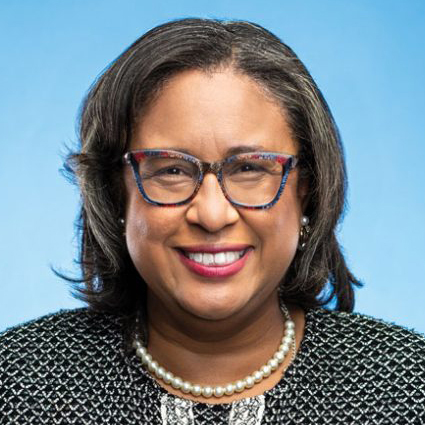
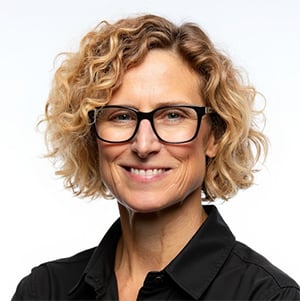
Anne Green: Well, that's really an excellent transition to my podcast conversation with two stellar leaders who bring many years of experience and wisdom, I would say, to their roles as the heads of agencies. I was talking with Beth Cleveland, she is the, um, CEO of Praytell, became CEO last year, and Laura Thomasetti, CEO of 360pr.
She was the [00:07:00] founder. They're 25 years old this year, which is amazing. And the occasion for this conversation is a really nice one, which is that myself and both of them were all named to the 2026 Women of Distinction list by PRWeek, which ties back to your women in leadership theme, Steve.
Steve Halsey: Yeah, and, and for those, uh, of our podcast, uh, listeners and viewers who aren't as familiar, PRWeek's Women of Distinction recognition, it's really about celebrating female leaders who have made meaningful impact on the industry through their work, through their leadership, commitment to advancing.
So this year, um, like the couple that it's, it's been in place, it really is a highly select group of leaders that are joining a pretty esteemed network of, of some amazing female practitioners in our industry. So it's really, I mean, it is, it is quite an honor. And, and here's what I also think's important about the Women of, of Distinction and the process and the selection that they do.
It's not just about business success. I [00:08:00] mean, that's part of it, but it really is about influence, it's about impact, how are you shaping the future of the profession, how these leaders are mentoring the next generation, how they're helping raise the standards of what great communication looks like. So, so, Anne, to see you along with Beth and Laura, I mean, all really strong female leaders that I advire- admire, and I'm fortunate enough to know you all as both friends, as colleague, it's incredibly well deserved.
And I think when you look at the performance of the three firms that the three of you lead, it really speaks to this broader moment of the industry where leadership isn't just being defined by results, it really is by impact and example.
Anne Green: Well, thank you, Steve. You know, and your support's been amazing here.
And, uh, the three of us as, as you'll hear, for listeners who stay on for the conversation, we really talked about this being a collective thing. You know, nobody gets to senior leadership, as you well know, in this field alone. And, you know, I always try to have a [00:09:00] balanced perspective when it comes to awards.
Um, you don't wanna over-index, but I agree this one does feel special for that reason. So when Women of Distinction list was announced, it got me thinking what a perfect occasion to get together with a few others who are honored to talk about a broad range of issues And that's the fun of our podcast, right?
So we got to get into things like how are we viewing this moment in our industry and beyond? What does it take to sustain and build that leadership over time? Who are our mentors, and how are we individually paying that back in service to others, including how we're counseling younger people and younger women who may be interested in this field, um, as well as other levels of employees and staff and people we meet.
And then the last piece, how we continue to grow as professionals, as people. And Beth and Laura were wonderful. We had such a good time. I'm sure our listeners will enjoy this conversation as much as I did. So let's get into it. So I'm thrilled to have on Building Brand Gravity two friends and amazing leaders in [00:10:00] our industry.
And Beth and Laura, welcome. So glad to see you both.
Beth Cleveland: Thank you. Thank you.
Anne Green: So I'm gonna embarrass you with a quick intro, and then I'll ask you to tell me what I missed. So Beth, Beth, for our listeners, if you don't know her, check her out, 20 years of experience in communications. She founded and ran her own firm, Elm Public Relations, for a number of years before merging with how you may know her today, which is Praytell, back in 2013.
And, um, wow, Praytell has really grown since then, Beth. I mean, 170-some employees, multiple offices, but most importantly, you took on the CEO role in 2025, so congratulations on that. And I've had the pleasure of getting to know you through our PR Council CEO cohort, and it has been a delight, so welcome, Beth.
And then Laura, we've known each other for many years now. We're trying to figure out 10 years, 9 years, 12. I, I was thinking it was longer 'cause I feel like I've known you forever. Such a trusted friend. Also another CEO cohort person that, uh, that I [00:11:00] definitely see in a circle of trust. But Laura started in DC working at some very large agencies, big clients, founded 360 PR+ in 2001, where you remain CEO today and a partner.
And congratulations, 25 years this year, Laura. That's a... Can you believe that it's been 25 years? Some days I can. But thank
Laura Tomasetti: you. Thank you. Yeah, I,
Anne Green: yeah. It's, it's, I mean, I... One of the things we're gonna talk about today is sustaining a career, sustaining an agency, um, the relationships we have with clients and others, and I, I just think that's really amazing.
But just to add a bit more to my top line bios- What did I miss? What's one fun fact from each of you, and anything I missed from your bios. So Beth, go ahe- go ahead. Anything fun you wanna share with our listeners?
Beth Cleveland: Okay. All right. Fun fact. Well, you... That was an amazing bio, thank you, I appreciate it. And, um, uh, I guess my fun fact, uh, since so much of Pray Tell's work today is consumer centric, really doing kind of like creative centric campaign [00:12:00] work, um, I actually started out in high tech science communications, which is just, you know, really, really kind of an interesting way to kind of enter the industry and cut your teeth.
Working with folks like Walt Mossberg and Stuart Elliott and others that really helped shape, um, how I approached, uh, the world of, of public relations. So, uh, that was really, really fascinating, kind of a interesting way in. And then to move to the consumer side, I was like, "Wow, okay, this is, this is like a different thing," but some great foundational elements that really, really kind of kicked things off.
And then my other little fun fact, which is more just fun, less bio, uh, I always have semi-sweet dark chocolate chips in my top drawer. My staff love it, uh, laugh about it, but it is like, don't overthink it, it's a great afternoon pick me up, and, uh, always my go-to.
Anne Green: I love that. And I also have little mixed nuts and dark chocolate in my drawer, so I think we share that.
Oh, my God. It's
Beth Cleveland: just like you gotta have it, especially when we get stuck on calls. So, yeah.
Anne Green: Exactly. Exactly. So how about you, [00:13:00] Laura? Anything I missed and any fun facts you wanna share for our listeners? Thanks for the intro, first of all. So great to be here to talk with,
Laura Tomasetti: with you, Ann, and you, Beth, too. But, um, I think just one, one thing that I carry with me as part of my career, I spent a little bit of time in-house and for Hasbro, uh, and then also for a nonprofit organization.
And I think that that perspective was help- it's been helpful informing what I do at Three Sixty, and taking that Three Sixty approach and just sort of understanding a little bit more about how our clients navigate their day. Um, I spent a lot of time in meetings, and like thought agencies, I always thought by, about my agency as having the fun part of the job.
Uh, I loved my time in-house and, and have stayed close with a lot of friends and colleagues from Hasbro, and Hasbro was actually our first client, so it is, it is important to me, um, to mention. And I guess on a fun fact, uh, let's see. Um, I met my husband in PR, [00:14:00] so we mentioned, you mentioned that I started working, uh, for some agencies in DC.
I worked for Omnicom agencies, and he and I worked at Porter Novelli together for a couple of years. And he came out of news. He was working at CNN in DC and, and pretty quickly decided that PR was not for him. But it's, it's been nice over the years because I, because he's had that time on, on our side of things, um, I don't, you know, I don't have to explain things Uh, ad nauseam.
Uh, you know, when it's been a, a long day or when I have a particular challenge, he seems to have some insight to what we do, which is nice.
Anne Green: That is nice. Um, as, as some listeners know, my husband is a professional musician. He's a drummer, so our worlds are very different, but he is such a proponent of everything we're doing, and he's so engaged.
But it's nice also to have a spouse who gets what you're doing. Um, and I love what you said, Laura, about I've been... Kim Sample of PR Council and I both call each o- each other, like, [00:15:00] agency animals. I've been an agency person the whole time. But I think it's amazing what you're identifying about that empathy and compassion that we need to help our agency side people understand of what it's like on the corporate side, and the kind of relentlessness of that day.
So I, I think it's wonderful that you can give that context. And, and speaking of context, the reason I gathered us today is because of the, um, the PRWeek Women of Distinction list that came out this year. And congratulations to you both. I was very honored to be named as well. And there's so many amazing women on the list.
And I was thinking about the fact that what, um, what a great opportunity to get a few of us together. You know, I've known you both for a while now. And, and this one felt a little bit meaningful. Our industry is awards crazy. Love awards. And some, you know, sometimes you're like, "Hmm, it's another award, okay."
But this one did feel meaningful in terms of it acknowledging longevity of leadership, giving back, sustained. Um, to me, it [00:16:00] meant as much, I think, for our, my group and firms as for me. But I thought, "Let's get together and talk about it." So for each of you, maybe Laura, w- what does it mean to you, and then Beth, I'd love to hear from you, too, th- this whole Women of Distinction piece?
Laura Tomasetti: Thanks, and it, it is an honor to be, uh, in the same class as the two of you. And I think, first and foremost, I just, I think it's great that PRWeek creates this space to tell our stories and, and the stories of other women leaders across the agency. And it is a reminder of how many amazing women are in this, in this, uh, industry.
Um, so that's, that's, I think, first and foremost. And there's a personal element, of course. Uh, I, I have been from a, an agency standpoint, and I felt like you, this is, this is very much for the, this is not just my win, this is agency w- agency's win, particularly in our 25th year. It felt, it felt really meaningful.
Uh, and it's not about egos, right? Because we don't do this by ourselves. We do this with a lot of people around us. And [00:17:00] so I, I, I am thankful for my work family, but also the support of my, my own family. And, um, in particular, just want to mention my mom, who, um, who passed during the pandemic. Um, but you know, for many years, she was really my champion.
And, and when I was growing up, it wasn't about, like you know, "I really want you to get married." It was, she always assumed that that would, that would happen, that I would find a great partner, but it was very much about the career. Um, and you need to have a career. You need to, you know, do something that you love, and I think for, for women of her generation, that was just super important because some of them had that and some of them did not.
Um, so shout out to my mom. I
Anne Green: love that. I love that. I remember starting at Burson-Marsteller, I met some women who were kind of two generations ahead who really sacrificed a ton to fight- Mm-hmm ... their way into a seat that wasn't just a secretary. So that's a very recent memory, and I, I love that kind of advocacy.
What does it mean to you, Beth, you know, s- seeing yourself on this list? Um,
Beth Cleveland: well, Laura, so [00:18:00] well said. Um, I will add to that in that, um, I think the timing of this as I've ... I was president of Praytell for 12 and a half years, doing a lot of, of the same job I'm doing now. But moving into the CEO position in August and, you know, having recognition like this so early on is certainly, um, such a nice confidence boost and just nice recognition for, as you said, Laura, the whole agency and just all the work that goes into where we are, you know, as a mid-size agency.
So that has been really lovely. Um, I did send it to my mom as well. A very proud mom out there who, of course, couldn't log in, and there was a whole, whole ... You know, we figured it out. But, um, but you know, it is funny, even at, at our age now, I'm still text my parents, uh, remind my husband I'm distinct. I remind him daily and, and that is, uh, really sinking in, too.
So, uh, but no, such an honor and, and I think it's, it was really fun to read everybody's stories. I was [00:19:00] picking up little tidbits and learning, uh, reading all of the great kind of insights from, from the folks recognized.
Anne Green: I wanted to hear both of your reflections. I mean, it's amazing to have two experts like yourself.
The more of us that bring our views to the table, the more we understand what, what is happening in a very uncertain time. So when you look at the industry right now, a lot of change going on, a lot of consolidation, which we've seen waves of before. Mm. Huge technology shift, geopolitical. I mean, this, this crazy world right now, right?
So what, for each of you, and maybe Beth we'll start with you, what feels very similar and recognizable about our industry today versus what, what feels like real change? And, you know, answer that however you'd like to.
Beth Cleveland: Well, I'm gonna save AI for, for ... I'm gonna put a pin in AI for, for the moment 'cause that would be the, the first thing on my mind.
But, um, I have been thinking a lot over, I would say, the last- two, three years on, like, my early part of my career and what are kind of the similarities or patterns that [00:20:00] we can learn from in the current state of change, and specifically thinking about media consumption and the shift from, you know, kind of what's happening on the publisher level and reporters becoming, uh, fewer and fewer.
But it is kind of taking a new shape, right? Like, more social first, new emerging platforms. It's video first. It's people, you know, people reporting on the news, um, uh, reporting on the reporters. But, uh, all of that, like, looking back at the shift from print to digital and kind of, I looked a lot at, like, okay, not the same, but yet a big change, right?
Or it felt like a big change to clients when you're on the agency side and you're like, "Look, USA Today is not gonna report this in print. I'm so- we know this is your big launch, but they can do digital. What do you think? Here's why it's interesting. It will be logged on the internet forever." And, um, at the time r- our clients didn't want that, right?
They wanted the, like, really thing you could hold and hang it up in the office. Um, and I remember, I think about that now [00:21:00] in terms of how do we give clients confidence? How do we look at those small wins? We gotta test and learn. Uh, 'cause you can see things evolving into, into something new. And, and so I, yeah, I've drawn on a lot of that from kind of those patterns.
I also think, um, just the resiliency of the media industry, I'm continued to just ... I think it is such a resilient industry, and we are in such an information overload, uh, you know, kind of era, and I think we're gonna need trusted sources, and that will continue to take different shapes. But yet there are kind of these thematics where you're like, "Okay, yes, like I can see this evolving into a new way.
It's not scary. It's actually just new and different." And, um, and we can kind of help bring our clients along for the ride. So, those are kind of some of the similarities I'm looking at. Um, so maybe I'll stop there and see if, Laura, you have any other kind of adds.
Laura Tomasetti: I'm glad that you started with media and, and, and that you m- you made the point that it
'Cause we, we keep talking about the media landscape [00:22:00] really fast evolving, but it really has been changing for decades with the move to digital. And there's, from the legacy publishers, es- you know, especially, like, if you look at the Times content, the content is better and better and better. There is so much there, um, to explore, uh, and, and just to, you know, to explore in more personalized ways, right?
So, it's not just given to us in sort of one big lot. We can kind of say, "I wanna go, I wanna look at travel," or, "I wanna look at well." Um, and then all the different, you know, the different newsletters, Substack. It's, you know, it's, it's tough. I, I think our, our people here always sort of bemoan, like, there's something that comes across and XYZ legacy publisher has, uh, you know, consolidated or shuttered or, you know, is moving staff.
Um, but there's also, you know, there's the rise of Substack, and it's been kind of incredible. So there's a lot of opportunity, I think, in the current media landscape, and that, that's been good to see. Um, I think we're a lot [00:23:00] closer to the business as an industry today as in terms of our roles than, than, you know, 20 years ago when we were starting out, or even longer ago when I was starting out.
It's, you know, it's not just press. Um, it's, it's more of a range of stakeholders. I think there's more recognition by, as we know, by executives. I know we were talking about this in preparation for today, that there's much more recognition for communicators' roles in their organizations, and most organizations that are worth their salt are really prioritizing communications, internal and external.
So I think that's really good. Um, you know, one thing that's, that's different that is challenging is the speed at how fast things are moving. Um, and sometimes a, a stories int- stories are traveling really fast, and sometimes that's a good thing, and sometimes it's challenging and we're having to manage it, um, and manage a response.
But I mean, those are some of the things I think that, you know, that ... And maybe I focus more on really what's changed, but, uh, there's
Anne Green: just a lot of good, too. Yeah, [00:24:00] it's interesting. A future guest we're gonna have on the podcast, Brack, uh, Bradley Acero, who's at Bully Pulpit, he just came out with a book called Faster, Messier, Tougher about crisis, and that'll be a great conversation, sort of a precursor.
Listeners, watch for the link and check it out. Um, he's brilliant at this. But that speed issue, you know, it's, it, and, and how we deal with that. Now he's talking about it more in the issue of crisis, but also understanding how you live your values in that moment, and a lot of stuff we're all dealing with with our clients.
But I love that we spent time talking about the media landscape. In some ways I feel like, um, some things that are old are new again, which is the- Mm-hmm ... focus on human relationship, understanding who real trusted sources are, and that's from the journalist side, but also journalists back to communicators and companies.
Different ways to have voices. Like many, I'm an obsessive podcast listener, not just a podcast host, and I often joke with people, "If you don't have a podcast, are you even alive right now? Ha ha ha." So, um, it's a funny joke on myself, but [00:25:00] I think that right now that dynamism in helping our younger staff especially understand some of the skills and tools that we had to build, you know, as we were each coming up in a landscape that was different, are very, very much true today.
And I do see ... I, I loved, Beth, when you said putting a pin in AI. I think we're at a point where we can still do that. In the future, the chatbots won't let us. They're like, you know, "You don't put, don't put me in the corner. I'm, I'm in charge now." But all joking aside, you know, I, I think that now some things like generative engine optimization and the ways in which trusted sources and authority are being filtered through large language models, it's a very interesting time to have a dialogue about how we do what we do today.
So I, I love those examples of Of media especially. And, and that old thing, I have heard some people say recently, "Have you just picked up the phone?"
Beth Cleveland: I have such a unimportant anecdote, but I'm gonna share it. Um- Please do. The other day, I was, uh, trying to get in touch with one of [00:26:00] our, uh, one of our technology, uh, platform, um, cli-cus- client service teams, and, uh, I'm on the phone with somebody at the agency, we're chatting through a situation, and I dialed in the representative, um, you know, who we work with all the time, but usually over a video call.
Called him, and I merged him in onto a three-way call, and I was like, "Okay, you've got me, you've got Renee, now you've got this person." And I was like... He was like, "Oh, this is my first ever three-way call." And I was like, "Well, we are all dating ourselves in different ways in this, right, in this moment." But, uh, no, I'm with you on picking up the phone.
There's a lot can be solved from that. Um, but I think also to your point on just, um, as we are bringing people into the industry and kind of this pace of change, and, um, I know we all have FOMO that everybody else has figured it out first and we're all behind, but, um, but really I've been thinking a lot about, like, sustainable change and, um, not burning people out [00:27:00] in trying to adapt, and it's, like, small wins and we're gonna, we're gonna, like, keep having them and get better and better and better and more, uh, it's more rewarding and, and hopefully, uh, you know, we're continuing to kind of learn together.
But it is hard. It's hard to ask people to do one more thing right now and say, "Hey, you're doing your job. The media landscape is rapidly changing. There, you have to go find the sources in new ways, and also can you start using AI and adapt all these other things?" It's very complex. So, um, sustainability of, like, change is high on my list.
Um, and then, yeah, and I, and then I think in terms of the employees, we're talking a lot about just being curious, looking around corners, kind of, uh, really embracing, like, your entrepreneurial sort of spirit in how we operate day to day, and everything is an opportunity to, like, bring fresh eyes. And, and, you know, we've gotta have the way we did it, but there's also, [00:28:00] we've gotta really be kind of looking ahead, too.
So it's a, it is a balance and, and a hard one to strike, and I think we're all, yeah, we're all learning together.
Anne Green: Yeah, it couldn't be more true. It couldn't be... And I think how we carry ourselves and our staff through this is a lot. You know, there's a lot of mental load and a lot of intensity. And, um, we're, I was having that dialogue with one of our SVPs just recently about how do we make this feel like not just one more thing, but I love the idea of small wins.
We, I try to use the term spot celebration, 'cause I feel like people in our- In our context, agency people too especially, we're really good at looking for the problem or the thing we're not doing. I don't know that we're always good at being like, "Hey, that thing we did, we did a good job. Like, yay us," right?
No, I think that's, I think that's right. I mean, I
Laura Tomasetti: think that the small... Celebrating the s- the small wins, the big wins, all the wins, right? And, and I think it, it seems that those small wins, it, it just becomes expected that we're gonna deliver those every day. [00:29:00] Um, and but they add up.
Anne Green: They add up. It's true.
It's true. So as we, as, as many know who might be listening, with the Women of Distinction, PR Week did a very fun Q&A. And it... I remember I spent quite a bit of time with it, um, had to think about it. Uh, then they killed me with the event that's coming up in May. They asked for a walk-on song, so that just melted me down for quite a long time.
That was a lot. So but in terms of the Q&A, one of the questions, I, I just wanna hit the two of you with some of these questions and see what you share, 'cause I, I really loved the responses you had, and it was really meaningful. So what... They talked about mentorship. So give an example of, and maybe Laura you can start, an example of mentorship in your past that really helped you come along in your career, maybe in even ways you didn't expect.
Yeah. Yeah. Uh, I,
Laura Tomasetti: I j- I feel like I'm super grateful for the many mentors I've had across my career, men and women. [00:30:00] Uh, and I guess if I, if I, if I think about it, my career in sort of different segments, different phases, different chunks, the, uh, I go back to my time, um, in Washington and early in my career, my, my early 20s, mid-20s, I guess until I was about 30, um, when I was at Porter Novelli.
Um, and I- that was just a really transformative time. I mean, you know, you're coming of age in your 20s, you're starting to figure out, I really... You know, is this something I really wanna do? Is it gonna stick? And it, and it has, obviously. Um, and I was one of those people that I came into an agency, I was really grateful that I started in the agency and, and I, I did leave at one point, but I came back, and I'm really pro-agency.
But I was working across a number of teams, so I had not just one, not just two managers, but four or five. Um, and I was always good at that juggle, um, and sort of figuring out what worked for different people. Uh, and as a result, I, I, I look back at my time at, at Porter, and it was just a really special place in DC.[00:31:00]
Um, I was just on an email chain with Bill Nove- Bill Novelli, and they're talking about another reunion, which is super exciting. Um, but I had three or four mentors there, managers who really were also mentors. Uh, and I learned something different from each one of them and how they worked, and from one, you know, how to, how to navigate a, a room full of people who are much more senior than you.
How to listen more than talk. Um, you know, how to, how to build and sustain relationships. Um, we talked about, you know s- you know, what's sustainable and how do you sustain relationships? So that was a really important time for me. But then years later when I was building ThreeSixty, I had, um... I was fortunate to meet both, uh, Margie Booth, of M Booth, of course, and then Doug Spong, of Carmichael Lynch Spong at the time, and now is CL Relate and part of IPG, and they...
I just admired their organizations for the work that they were doing, but mostly, most of all for the cultures that they had both built that enabled that work, that [00:32:00] creative work. Um, and they were just both really good at building great cultures, agencies, best agencies to work for, best agencies of, agencies of the year.
Uh, and I just, I... They were just very generous with their time with me and, and I like to think that we have emulated at ThreeSixty a lot of what I learned from Doug and Margie and others, and I think this is a really generous industry. Y- you two are an example of that, so.
Anne Green: I love that, Laura. I've said that too.
We compete, you know? We... But I have found leaders in this industry to be tremendously generous, and so I, I couldn't co-sign on that enough. Beth, what are some examples of mentorship in your life as you were coming up? Oh
Beth Cleveland: my
Anne Green: gosh.
Beth Cleveland: I was reflecting on many as, as Laura was talking. Um, I have a couple thoughts.
Well, I was independent for a good chunk of my career, um, and so I frankly learned a lot from my clients, which was interesting. But as a young kind of, uh, entrepreneur, those were [00:33:00] a lot of the kind of executives I interfaced with. So there were some really great executives that just by osmosis and being around, I learned a lot, picked up a lot of things.
Um, but this one woman, Darcy Provo, who was my boss, my very first boss in San Francisco, um, was just the most amazing, uh, generous, uh, leader. She would pull me into her office when I would write a press release or, or, you know, really kind of deliver something to her and she'd have edits walk me through word by word, "Why did I strike this out?
Why did I change it?" Um, and then eventually, pretty, pretty kind of soon after, I got to go to pitches. I was helping win business, got to lead my first account as, like, an AE, um, which now in my shoes I look back on and I'm like Wow, that is kind of insane they let me do that. Uh, even like, you know, I... It was, it's, it's a lot of, um, trust, and I also think, like, pushing people out of their comfort zone in a way that, like, you can rise to the [00:34:00] occasion.
And so that was very informative. Um, and then years later in, at Praytell, we actually brought Darcy on as a consultant to help us with a pitch that we needed. Uh, she would always joke and say she was the gray hair, which, um, I don't think she had gray hair at all. But, uh, we brought her in to come to a pitch with us, and we were going through the presentation and pitching our ideas, and she just, like, wildly started clapping and cheering during the meeting.
And she was on behalf of Praytell, so that was a little, uh... And the client, I don't think the client was as, as amused. And, um, Darcy, uh, I don't even think we won the business, but she was just always our biggest cheerleader. I'm still in touch with her today. She was one of the people I had texted when this, um, award came out.
And, you know, I think mentorship, uh, you know, it is giving people those opportunities, and I am thinking a lot about in, getting people in the rooms and, you know, we're pretty intentional, I would say. Like, we try and bring the [00:35:00] te- you know, we, we try and bring the full team to a pitch that's gonna work on the business.
We know clients don't wanna meet a bunch of senior people that aren't gonna be doing the work. So, um, but, like, how do we do more of that? Because I think just so much of that learning is sitting there listening to leaders, listening to the, you know, the QA. How do you navigate those, those tough questions?
So, um, yeah, I definitely wanna, wanna do more of that too.
Anne Green: No, I think that paying it forward is so critical. So I love these stories of how we're mentored. I mean, as I mentioned earlier, I met some women who are quite a bit older than me at Burson. One was Sara Lee Slonsky, who had been a pioneer in food and wine PR, helped to found Les Dames d'Escoffier, and then pioneered pharma comms.
And then she was a freelancer at Cooper Katz helping us, and it was really special. But I knew what she sacrificed to get there. She was very clear about that. Um, the other thing my father had told me, I, both my mom and dad are passed now, but my father always used to say, "Don't [00:36:00] travel too light." And that, I take that as a mentorship thing, because what he meant was really appreciate the relationships you're building along the way- Mm-hmm
and nurture them. And I was always feeling like, "Oh my God, I'm gonna travel too light. I'm gonna do that. I'm gonna make that mistake." And now at 55, I find myself in quite a rich place of relationship, and in a place where the idea of networking or of making relationships is really more joyous. It's about meeting new people.
And so one of the things I've been trying to do in giving back And I'd love to hear, you know, what you folks are doing. I do a lot of mentorship of younger folks from my alma mater at Vassar College. I'm, I'm there every year for this program called Sophomore Career Connections, which is such an early time.
And doing... I'm running the advertising, marketing, PR cohort so they can be like, "What the heck are these jobs?" But Laura, what are ways that you think about giving back? You know, and, and because I think part of this is, how do we wanna attract people into this profession that's changing so much, too?
Laura Tomasetti: No, it's great [00:37:00] to think about and, and, and I think there's different, you know, ways to mentor, um, if, if that's part of what you're asking about at, at, and at, at different stages.
As you mentioned, students, I certainly speak with a lot of students about coming into the field and what to expect and what to emphasize that they've done that is relevant for what they might do, um, if they're coming into our, into our, our industry. Um, and then there's people that are already here. Uh, and one of the things I really like to do is, you know, I call it walk around management, walk around mentorship.
Um, before I sit down, I come into the office most days because I do like to, I do like to see people in person. I think a lot of that you can do some things across the way on, on screen, but there's a lot of things that you miss if you don't talk to someone in person and pick up on the nuances of, of what they may be experiencing on a given day or coming off of a weekend.
Um, so I, you know, before I sit down at my desk and sort of buckle in for the day, I do my walk around and I [00:38:00] talk to as many people as I can, whoever's in early. Um, and also who's ever in late, um, whoever's in late at the end of the day, too, and, and might just be stuck at their desk and have that conversation, "Oh, how are you doing?"
You know, "What are you working on?" And this is a lot of times I think younger people don't want to see themselves as a squeaky wheel. They don't want to, they don't wanna s- put their hand up. They don't wanna suggest that maybe something's not working. Um, so I think being that person that can kind of clear that barrier and ask a question and engage them, "How's it going?
Is there anything I can help with?" And, you know, "Gee, that sounds stressful. Um, have you talked to so and so?" So, um, I think just sort of breaking down the barriers is really important and I really like that walk around, um, you know, those conversation opportunities that I would consider are a little bit more informal mentorship in addition to the formal mentorship that, that we can do at, at 360.
Um, I also just, you know, in the number of years I've been in the business, I, I, I'm in a mentorship situation with [00:39:00] clients, too. You know, we have a lot of clients that, you talked about this at the top end, that have incredibly stressful days and don't have a peer to run down the hall to. One of the things that we're really fortunate, uh, about in an agency is that there are other people like you up the hall at your level that have been there at different levels, that have been there, done that, and, um, can share their experience.
So I think, um, you know, being able to talk to clients too and what's happening there, how can, how can I help? Here's what I would've done, or gee, I, you know, I went through something like that. Um, sharing that experience and, and then also I, I learn from my clients too. So, um, I think the mentorship can be done at different levels and in different ways, both in our organizations and, and outside.
Anne Green: Yeah, and some of it is just... And even among peers, how do we help each other? How are we there for each other? Um, I think what you said, Beth, about, you know, who's in what room, bringing more people in, what you're saying, Laura, about recognizing- Yeah ... where people do or don't feel like [00:40:00] they can speak up, or, you know, how empowered they feel at different ages, how sensitive you are.
It is an interesting thing navigating this hybrid world. You know, it's a little bit different. But understanding that mix of in-person engagement. I've been really focused on this question of how do we release more capital for really meaningful in-person engagement, you know, and bringing people together, and we'll be investing quite a bit this year in flying sector teams in to be together.
You know, and but, um, it's, it's an interesting evolution, but I love the idea. You know, to me, and I'd, I'd love to hear your guys' POV on this, it is a changing industry. It can be challenging. Agency life can be challenging, and the corporate side can be challenging too, right? I always say grass is green and brown on both sides of every fence.
Good and bad, right? But I do think for me, this, this field and what I've enjoyed about growing in it, and I am a completely... I surprise myself in being a business person. I was much more liberal arts. I thought I'd be a university professor. This wasn't my plan. But I've loved the intellectual [00:41:00] curiosity of this field, all we've learned about.
I mean, the three of us together could probably talk from now until the end of time about all the things we've learned about industries and clients and such. And then the interaction with people. In an agency, you have three to four generations at any given time, and the kind of multi-level learning and mentorship, and with clients too, Laura.
It's really, to me, still that kind, and problem-solving and creativity, those are the things when I talk to younger people that I feel are very alive, especially given the integrated nature of the work we do. What are some of the things, Beth, you might say to young people of any kind that would be thinking about marketing or comms or branding, PR today?
Beth Cleveland: Couple thoughts. I think from a young person kind of coming in, I would say I totally agree on the, like, problem-solving, um- I have been really, really excited about some of the new talent coming into Praytell who have such a breadth of experience [00:42:00] across ... They've created content. They love writing. They are, um, they know how to edit film.
They, it, the, like, diversity of spaces they played in, I think is so exciting, and you can see, like, certainly I think coming into the industry, having more diverse kind of skill sets of just-
Anne Green: Mm-hmm ...
Beth Cleveland: different ways that people communicate, uh, long form writing, short form, all of it. Like, really, uh, you can see this new generation of talent coming in where you're like, "Wow, this is gonna be exciting."
And being able to kind of bring it all together, um, uh, is, is super exciting. So that, to me, um, I think is really, really important. Um, I also have folks reach out all the time saying, "Hey, can we intern at Praytell? I have a 15-year-old." And I'm like, "Well, it's a little early. Not yet." Um, but I o- I have said, like, "Go work in the service industry."
And I think that's, like, a little bit shocking for a parent who wants to resume build for college, which I fully get, and I [00:43:00] understand that. But the understanding how to deal with people and manage those problems and figure out how to get a win, and we at Praytell talk a ton about just service industry kind of acumen, and like, what can you learn from, like, a really amazing restaurant.
Um, so service is, I think, just having those people skills, especially as kids are spending more time on their phones. Like, really understanding kind of how to work with people is super critical. Um, and then on the mentorship side, I just wanted to mention, um, personally, I talk a lot to more of our up-and-coming leaders about, like, really understanding their superpower.
And, uh, we just are off of annual reviews, so it's so top of mind for me. But go ... You know, kind of looking at all the different skill sets of somebody and going like, "Oh my gosh, this is your ... like, what makes you uniquely special as a leader, as an employee," and leaning into that and, like, figuring out how do you kind of craft around that [00:44:00] versus us all trying to be the same kind of leader.
Um, I think I mentioned this to you, Anne, of in my past, people were like, "Don't smile as much. Have more of a monotone voice. Uh, you know, you're just too happy." Like, I've gotten just kinds of feedback along the way of like, "Be this thing." That is so unnatural to me, and then I just get ... I don't know how to be.
I, it's, it's truly not who I am. So, um, it's taken me a very long time to learn that, like, it's way better to be your authentic self than try and be something that you're not, and that's not very inspiring as a leader if you're, if you're not you. So, um, I do think kind of anyone along their journey, like, starting to kinda understand, like, "Wow, this is something I uniquely bring to a team, to a client situation," and, um- And really kind of leaning into that, and like how can you build around what makes you special, so.
Anne Green: That's so important too, and there's so much discussion today. You see it in Harvard Business Review about CEO skillsets, and [00:45:00] I'm t- talking about, you know, folks like us. I feel sometimes I'm a CEO in a little pond, but you know, still it's, it's transferable. But this idea of emotional intelligence, compassion, empathy, gratitude, connection, sharp.
You know, you have to be sharp, direct, being direct with people. But being that self that people can sense that you are, you know, bringing as much of yourself as you can to it is very powerful today. Laura, what are the things that when you think about people entering the profession, or you think about your younger employees, what are, what are those things that light you up about this work?
And as hard as it can be, right? It is not easy.
Laura Tomasetti: I, I mean, so many thoughts, but you know, first off that communications is, is not only an industry, but it's a, it's a foundational skill. So, um, wherever you may dream to go, communications is a great place to start. Uh, and I think for many that, you know, that come into the field, it sticks.
And one of the reasons, reasons why it, you know, for me, and I think, you know, for both of you too, that this is a [00:46:00] creative business. And you know, whether you're in consumer, you're in B2B, you're s- you're problem-solving. You're, you know, you're, you're tapping into your curiosity, your intellectual curiosity.
Um, every day is different. Every day is different. I, I always say you are never gonna be bored in this business, you know? And you're go- you talked a little bit of too, Beth, about, uh, and Ann, about the continual learning that happens in our, in our organizations and in our industry. So, um, you know, the learning doesn't stop, and it's this every day is different.
And Beth, you mentioned that sort of diverse range of skills that you're seeing talent come in with now, and there is a diverse and equally diverse range of work that you're going to get to do. Um, so I think that, I think being in a creative business, and I do think PR at the core is a cr- it's a strategic business, it is a creative business.
I think it's a gift to work in a creative business and to get to think differently. We are paid to think differently. It's not just do what you know, do what you've done before. It's [00:47:00] think differently. Come up with what's different and what's next. Um, and I think in an, in an age of AI, that's really exciting that there's, that there is room for that creativity and a, a lot of runway for it.
And then in the agencies in particular, I, there's such a clear trajectory for career growth. So- If you are someone that's motivated, motivated by that. Um, you know, I think there's some challenges when you're starting out from a compensation standpoint, but there are opportunities to quickly grow your skill set, add to those many skills that you come in with, deepen those skills, but also grow, you know, from a compensation standpoint too.
So, um, you know, that, that ladder is real.
Anne Green: Yeah, absolutely. And I... You know, it's very interesting, this idea of learning. Um, it can feel like a cliche or, "Oh, I love to learn things." But, you know, here we all are various decades into our career, and I am just as excited and overwhelmed sometimes at all I'm learning as I was [00:48:00] before.
I'm a voracious collector of information. That's the reason I enjoy, along with Steve Halsey, in hosting the podcast, is I just wanna talk with people, learn, grow, um, have conversations like this. So it is, it is a powerful place. And I do feel, um, with the AI of it all, that the augmentation of intelligence, augmenting what is most human, using what machines are strong for, and then- Mm-hmm
leaning into what humans have as strengths is gonna be so powerful. And that idea of communicating human to human across stakeholders, across context, becomes even more powerful. Now, I, I forget, I was listening to Ezra Klein interview Stewart Brand, who's this legendary kind of Silicon Valley philosopher, launched the Whole Earth Catalog.
Like, an incredible... For anyone who hasn't heard that, incredible. He has a whole new book about maintenance, what it means to maintain what already exists. But at one point, he said, Stewart Brand said that AI may in fact teach us more [00:49:00] about what it means to be human than what it is to have these machines.
And so that gives me a lot, a lot of hope. To, to finish up today, 'cause you've been so generous with your time, I'd love each of you, what's a piece of either leadership advice you received or something you'd like to impart to our listeners, maybe a young person coming in or a mid-career or a leader? What, what's, what's a piece of advice you wanna share?
Beth, I'll let you go first.
Beth Cleveland: Ooh, okay, fun. I thought we were going down the AI path, so you... But let's, let's do, um, I think leadership advice is a great one to end on. Um, I will say, you know, uh, my... I won't go into the whole thing, but in my career, I had a lot of turns I was not expecting. I moved to a small market unexpectedly, uh, felt like my big agency comms career was kind of falling wayside, and then, and I really, um, eventually came to the conclusion of like, look it is possible.
Go for it. And, um, [00:50:00] and, you know, just start kind of trying some different things, and eventually it'll stick. And so, um, that is kind of how I started my first agency. And, um, and I do think, like, as you come into a field like communications where there's such diversity of work, it is really about, um, yeah, leaning into your strengths, um, but continuing to just iterate and, and try different things.
And I think it will start to kind of stick, and you will start to find kind of that, um, trajectory that, that you can keep growing around. And, um, yeah, I think it's just, it's an amazing industry. I've loved being a part of it. I love the people, the team aspect. And, um, and I think, to your point, I think the human element in the current aspect is so, so critical, and, um, and I think there's a huge opportunity for us to help shape that.
That's great.
Anne Green: I
Beth Cleveland: love
Anne Green: that. I love that. Laura, what, what's your advice you're thinking about you wanna share with folks? Yeah, I
Laura Tomasetti: mean, I think that, you know, [00:51:00] one of the things that, that I've learned to do better over the years and that has worked for me as a leader is, is really actively being, becoming a better listener.
Um, and I think being able to do that early in my career would've been great. I think I always felt that I needed to come in with the answer. Uh, but if you can really, if you can really activate that listening muscle and, and really active listening and kinda ... When I say active listening, like listening for what's there, what's being said, but also what's not being said.
Um, so I think, I think, you know, making listening one of your superpowers is really important. I think a lot of young people feel like they have to come into a room and, and have the answer, the right answer. And then also not, you know, not being afraid to fail. It's okay to then put your hand up and have the, you know, quote, unquote, "wrong answer."
It may not be the wrong answer. Um, so I think, you know, a combination of really being that, you know, attentive listener, but at the same time not being afraid to put your hand up, um, and not waiting [00:52:00] to be asked to do something. You know? It's a put your hand up, ask a question, volunteer to try something new, um, you know, th- then you're gonna get more opportunities.
Anne Green: I think that's great. I, I think that's so true. I, and all of us can work on listening. I get very excited. I love to chat and jump in and everything, so I, my team knows that, I think most of last year it finally fell off, but I had a little Post-it on the edge of my laptop here that said, "Listen." Just to, just to listen.
Get a c- you know? I get very excited. My, my piece of advice, aside from what my dad said, which is don't travel too light, uh, and you really have such pleasure in- Yeah ... those relationships over time. Mm-hmm. Especially the more senior you get, and your path is always surprising. I think the other thing is the mindset, especially now.
You're right, Beth, I kinda took a, a U-turn away from AI. I feel like we talk about it all the time, so we can return to that in every other podcast out there. But the idea that, um- We really thinking about ourselves as how do we augment what's [00:53:00] already strong. So how do we think our- ourselves as a counselor, and how do you start to understand there is a mindset of organizational leadership that you can start to understand even when you're much younger.
How do you look not just at your own world, your own team, or yourself as an employee, but how do you start to get curious, that's all, about what is management doing and why, and what is their experience, and what do they know and what don't they know? I think with my l- my early mentors, Andy Cooper and Ralph Katz, I figured they knew everything about managing an agency.
And then as I... As they welcomed me in the tent, I was like, "Oh, man, you guys don't know some of this too. Okay, we're figuring this out together." So the earlier that folks can start to say, "How do I speak and think like a counselor? How do I understand that there's an organizational leadership mindset beyond just the individual or a team mindset?"
I, I r- I really invite people to start to explore that early, because I think it's gonna be very strong as we lean into what makes us most human going forward. But Laura and Beth, it's been so fun- Thank you ... and [00:54:00] such a delight. Thank you. I hope your teams and other in the industry enjoy hearing more from you, and I hope you enjoyed the conversation too.
It was wonderful. Thank you, Anne.
Laura Tomasetti: It was great. I love your advice about not traveling too light. Thanks to your dad for that.
Beth Cleveland: Yeah.
Laura Tomasetti: It's a good one.
Beth Cleveland: That's a good one. I've not heard that before, actually. I feel like there's a lot of sayings where you're like, "Oh, yeah, we've heard it in different contexts," but that's a great one.
It really is. Like, the intentionality of it.
Anne Green: Yeah, it's, it... I don't know where it came from. Wish I could ask him. But, uh, it really sticks with me. So yeah, I hope others enjoy that too. But, um, for our listeners, as always, go and check out the agencies of both these wonderful leaders. Learn more about them. Um, hit them up on LinkedIn, and make sure to keep an eye on the feed.
We have... Steve Halsey and I are doing a lot of interviews right now. A lot of cool stuff is coming down the pipeline. So as always, thank you, and you can find us wherever you get your podcasts. Thank you again.
Laura Tomasetti: Thanks, Anne. Great stuff. Thanks, [00:55:00] Anne.