00:00:00:00 - 00:00:35:09
Anne
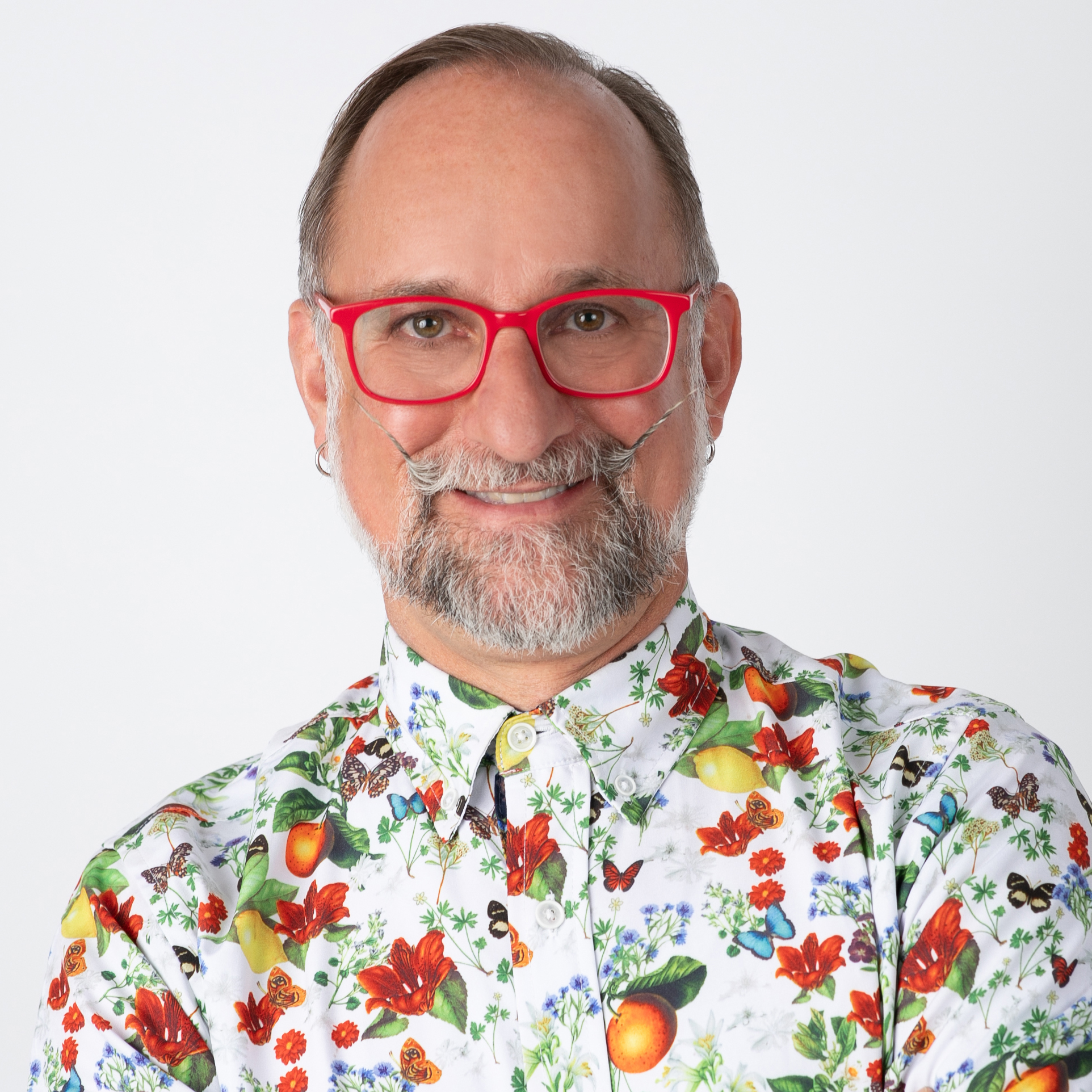
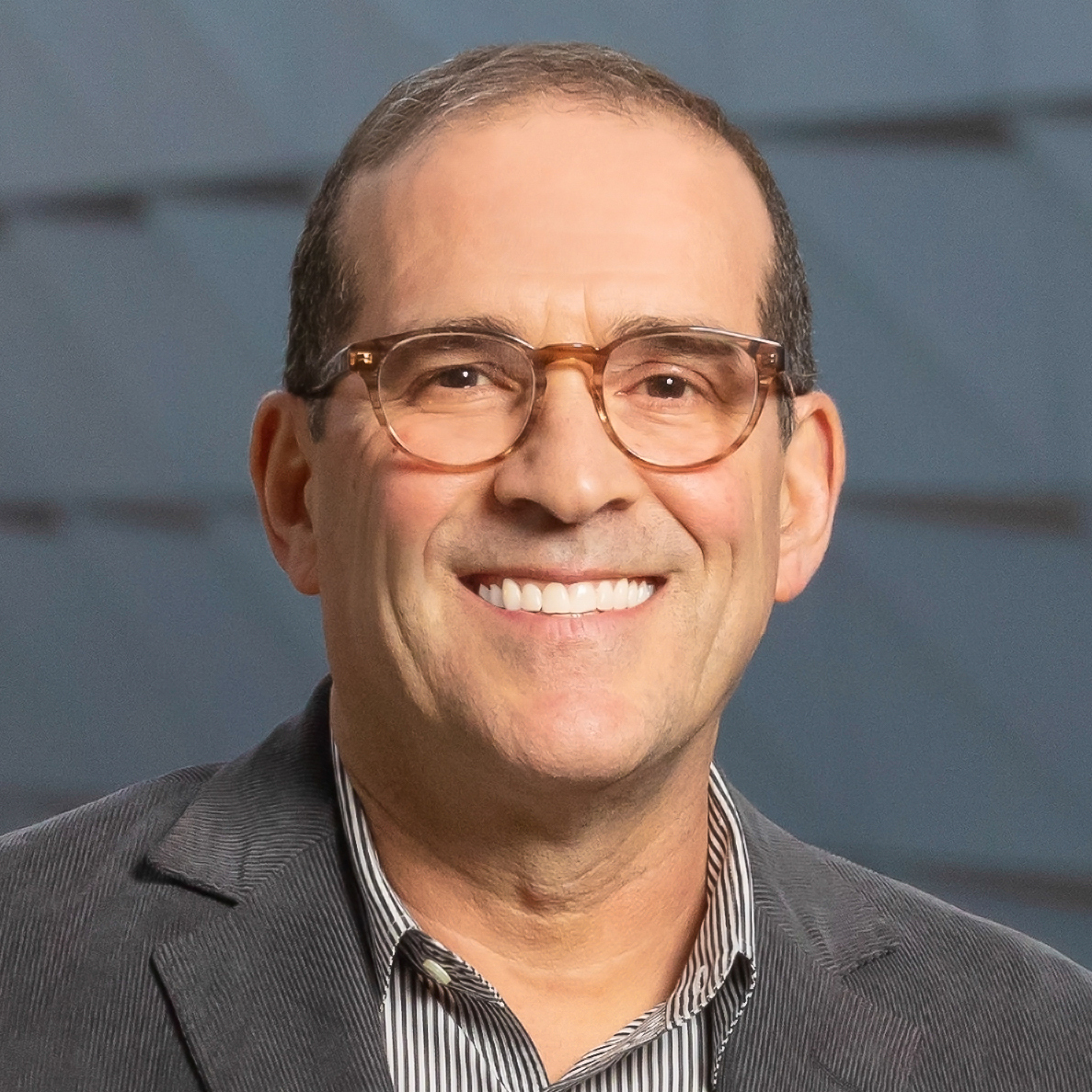
So what does the concept of brand mean to you? It's such an often used word, but it's got a pretty deep set of meanings. And one thing that's always interesting to me is how the concept of a brand evolves over the course of your career. If you happen to work in these types of fields, which is why it's been really exciting for me to have the chance to talk to an old friend and old colleague, Howard Handler, and I'm excited to share this conversation with you today.
00:00:35:11 - 00:00:57:15
Anne
We talk about the incredible arc of his career and what it meant to go from working with a Quaker Oats Company to suddenly working with Lorne Michaels and marketing Saturday Night Live and all the properties of Broadway Video and a million things after that, including Virgin Mobile, where I met him, and on and on to working at an incredible entertainment company in Detroit today.
00:00:57:17 - 00:01:21:01
Anne
But there's a lot of lessons he has to share. And one of the central ones, as he put it, is relationships are everything. They are treasures. And you're going to hear that come through really strongly in this conversation. So sit back and listen. And if you enjoy what you're here, share it with another friend. Thank you.
00:01:21:03 - 00:01:50:08
Speaker
You are listening to building Brand Gravity Attracting People into your Orbit. A business communications podcast. This is a show for communications pros across industries looking to gain an inside view into industry influence. You're about to hear a conversation with leading industry professionals talking about the importance of building business impact through sound brand strategy. Let's get into the show.
00:01:50:10 - 00:02:12:01
Anne
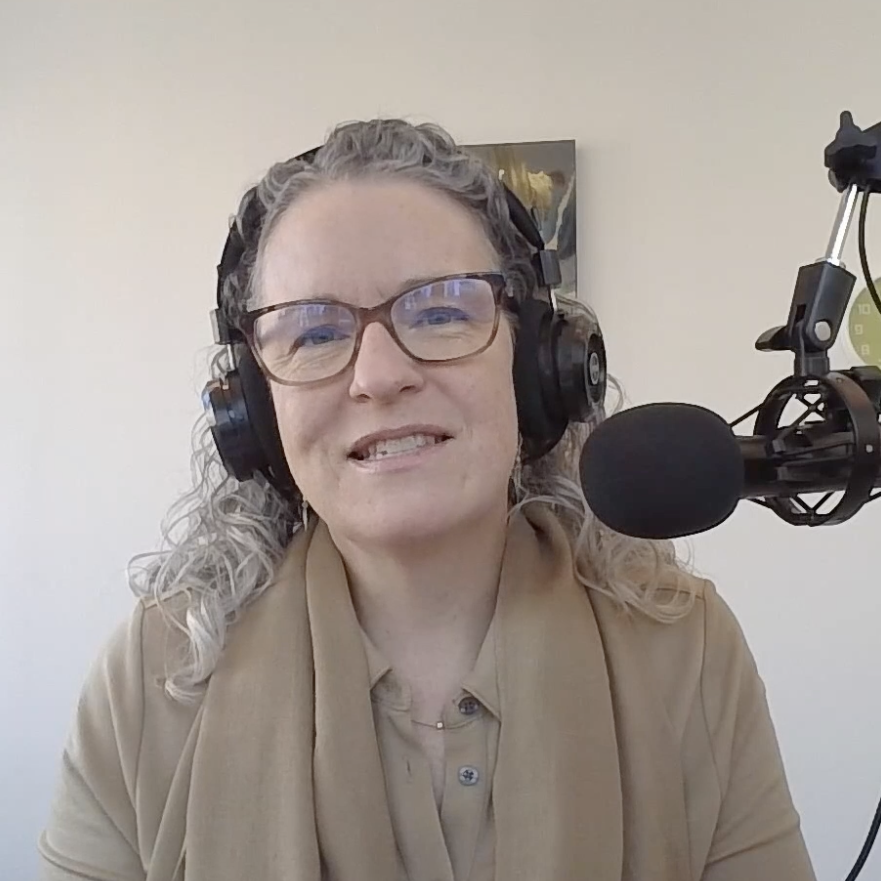
Hello, and welcome to Building Brand Gravity. I'm Anne Green, CEO at TNS Business Communications, and my guest and I first met back in 2003 when he joined my then client, Virgin Mobile USA, not long after its launch. And I have to say, I was a bit obsessed with his resume at the time. He was coming from senior brand and marketing roles at major players like Broadway Video.
00:02:12:03 - 00:02:35:06
Anne
That's Lorne Michaels company. For those who don't know, Viacom and NFL. And it kind of it kind of made me nervous to meet him, admittedly, but that immediately fell away. He's laughing already. As soon as I experienced his warmth and his energy and his infectious, positive spirit. The client agency relationship can be tense at times, but he treats everyone like a core member of the team and like family.
00:02:35:08 - 00:03:03:05
Anne
So he went on to lead other marketing roles at illustrious brands like EMI and MSG and Major League Soccer. That's the last time we saw each other in person was when you were at MLS, and then, in 2019, he returned to his native Michigan to take the president role at 313 presents, which is Detroit's premier live entertainment company, overseeing six venues from the Fox Theater, Comerica Park, Little Caesars Arena, Pine Knob and more.
00:03:03:07 - 00:03:23:15
Anne
And then, if you think about that timing, he immediately had to manage do that little thing you may recall, called the pandemic. Remember that everybody. And happily though, now 2024 seems like it's been a hell of a year for three, one three from helping to plan and host portions of the NFL draft to staging like a mind boggling array of shows of all kinds.
00:03:23:15 - 00:03:27:00
Anne
So Howard Handler, it's excellent to welcome you, my friend.
00:03:27:02 - 00:03:29:09
Howard
I'm so psyched to be together with you.
00:03:29:11 - 00:03:42:08
Anne
I know it's been a while. It's been a while. So what's it like having that career arc? When you think about the arc of your career, it's a big question. And what comes to mind in terms of kind of where it started from where it is today?
00:03:42:13 - 00:04:12:00
Howard
Well, it's always easier to connect the dots looking backwards. I never had any notion of, you know, how I would get from point A to point B for me, it was always, you know, kind of 3 to 5 year horizon, I guess that's that's what I was able to think about. But I'm I'm really proud of of what I've accomplished.
00:04:12:02 - 00:04:21:20
Howard
And, and mostly it's been about fun and, and building things and working with great people.
00:04:21:22 - 00:04:40:17
Anne
So before and I like that idea, I'll come back to that 3 to 5 years, because it's so hard in this world today to even think about planning farther than that. This world is so crazy all the time. But tell before we get into more about your world. For those that aren't as familiar with 313, just tell them a little bit about your gig today because it's such an exciting one.
00:04:40:17 - 00:04:41:16
Anne
I feel like.
00:04:41:17 - 00:05:32:16
Howard
Well, 313 is an integrated venue promoter with a pretty large footprint. Our mission is to provide access to amazing entertainment and to live moments inspired by the soul of Detroit. So we're we're here to tickle people's funny, you know, funny bone and and pleasure spot and send some good vibes into the world. It is amazing, especially post-Covid, turning around and looking at what happens to an audience as well as looking at what's happening on a stage.
00:05:32:18 - 00:06:12:08
Howard
And, and it's just really fun to be in the business of entertaining people. Our six venues exist in downtown Detroit and, around southeastern Michigan. A good part of what we do represents an economic engine to the city of Detroit. And that's really important because Detroit is a renaissance city, and it was a big part of the reason why I came home is I wanted to dive in and be a part of this rebirth and, renewal.
00:06:12:10 - 00:06:17:05
Howard
It's been really exciting. But yeah, it's good. It's a little bit of a flavor.
00:06:17:07 - 00:06:36:18
Anne
Yeah, it's it was interesting, you know, knowing you as I did from the East Coast when we were working with Virgin Mobile and you were mostly on the East Coast. And in all of those jobs, it was kind of amazing to notice that you'd gone back to Michigan. And I. I've told Howard this before, but I was born in Toledo, Ohio, and that's where most of my mom's family is from.
00:06:36:18 - 00:06:59:15
Anne
So I'm there quite often and just down Interstate 75 from Detroit. And so Detroit has always been big in my imagination, Toledo being a much smaller city. So I definitely want to get into the we're going to talk a little bit about other parts of your career, but I'm going to circle back because, Detroit, there's a lot to talk about there, especially with what you guys have been up to and a lot to think about relative to it being its own brand in a way.
00:06:59:17 - 00:07:13:05
Anne
But how did you how did you even embark on the sort of marketing field you went after undergrad, went and got your MBA? You know, what inspired you to do that? And you know what? What kind of got you kicked off in the beginning?
00:07:13:08 - 00:07:48:07
Howard
Well, I, I studied economics and history as an undergrad. And when it came time to think about what came next, what was going to come next in the midst of my senior year, I was honestly a bit terrified at the prospect of, you know, entering the real world. And I wanted to be in school for a little bit longer and trying to figure things out.
00:07:48:09 - 00:08:32:06
Howard
So I kind of talked my way into business school. I was first rejected. Well, I was rejected by northwestern, Dartmouth, as well as Michigan. And, you know, even back in those times, they wanted people to get into the working world before they came back to get, an MBA. But I told this story about how I wanted to get an MBA because I wanted to be in the food business, and that was going to really help elevate my thinking and teach skills.
00:08:32:06 - 00:09:29:16
Howard
And they bought it. Now, I did legitimately have a great interest in the food business, and that would be the first job that I that I took out of business school, you know, working for the Quaker Oats Company, which laid an incredible foundation. But I think more broadly, marketing and and the path that I chose was based on growing up in front of the television, listening to every single band that that I could get exposed to, going to live concert and just really loving, you know, music and pop culture and comedy and, and and I just never had any notion growing up in Detroit in the 60s and 70s, that people could actually
00:09:29:16 - 00:09:59:08
Howard
have jobs that somehow related to those things. You know, there was nobody in show business in Detroit. I mean, you know, there were probably a few, but for the most part, that just kind of seemed like this, this other world. And, you know, I'm obviously dating myself even by saying the 60s and 70s, but it's like, you know, the world was was a lot flatter and smaller back in those days.
00:09:59:08 - 00:10:23:16
Howard
We didn't have access to the internet and every single bit of information or knowledge at our fingertips. And so you had to learn things by talking to other people and doing research and, and, you know, letting your world unfold, as opposed to, you know, everything was was possible all at once.
00:10:23:18 - 00:10:51:23
Anne
Yeah. It's funny what you're saying that because the time period you're talking about, you know, Motown hadn't become quite the machine it became later, you know, and where suddenly entertainment was there in the Motor City, too, in that same way. But you reminded me, too, about the fact that there's so much, when I do, when I go back to my alma mater and talk about marketing, branding, advertising comes right and that is more of a liberal arts liberal arts institution.
00:10:52:01 - 00:11:13:09
Anne
There's so many aspects of the careers that you and I have had that's kind of invisible. Like sometimes cultural will pop up like Mad Men will become a thing or Samantha on Sex and the city. It's like Oprah, right? But it's interesting, like your sense of now looking back to say, what were those aspects of culture that got you excited about, wow, could I be in that world?
00:11:13:11 - 00:11:35:18
Anne
But I love also this story about the rejections, because I feel like when you're doing the college thing or graduate school or first job, everything seems so important. And then the farther you get in your career, the more everyone's like, doesn't even know where you went to school or what happened. So I think it's really cool to talk about the rejections and also the story you told to say, I belong here.
00:11:35:18 - 00:12:05:03
Anne
You know, it's really interesting. So you talked about Pepsi, and as I said, when I first met you, I was kind of clamored by Broadway video, SNL, you know, like, you know, and all these, these other pieces that got my attention when I saw or heard about your resume because this was pre LinkedIn as well. But you did start really in that classic consumer packaged goods brand manager space, which is work I've done in my past too.
00:12:05:03 - 00:12:11:05
Anne
What were the lessons you took away there like that? Must have been such a crash course in the most classic forms of marketing.
00:12:11:07 - 00:12:41:05
Howard
Yeah, it was definitely boot camp. As, as as a marketer, as a as a as a general manager, it was it was just an absolute blast. I actually did an internship at the Quaker Oats Company in Chicago in between my first year and second year of business school. And it's funny, we talked about rejection. I went to New York.
00:12:41:06 - 00:13:10:08
Howard
I had a girlfriend there at the time. I thought, like, I'm going to go to work for General Foods for Pepsi, which did not on the Quaker Oats Company until, you know, much later. And I had every door slammed in my face. So many no's. And it was funny because I bumped into my uncle, who's from Chicago in New York on Central Park South.
00:13:10:08 - 00:13:42:20
Howard
It was so crazy. And he was like, why don't you look in Chicago and do a research and, you know, check out the Quaker Oats Company. And and that just seemed really interesting to me, because he had some terrific brands. And they had three internships. And I talked to, somebody that went to the University of Michigan, and he told me the person to talk to.
00:13:42:22 - 00:14:09:02
Howard
And at first the person was like, well, you know, it's nice to talk to you, but we're not taking any of our interns from the University of Michigan. And, you know, so I talk my way into that situation. But, you know, I ended up obviously going back there full time after I was done with business school. I felt like I learned everything about running a consumer business.
00:14:09:04 - 00:14:50:14
Howard
I learned about all the different P's of, you know, pricing and promotion and, I mean, I learned about, well, distribution flights. I learned how to work with, advertising agencies and create ads and, and measuring business and, and our sales and importantly, I learned how to think about the entire PNL. That was one of the coolest things about brand management is that they gave you a ton of responsibility at an early age.
00:14:50:16 - 00:15:20:12
Howard
You worked in teams, so there were training wheels for sure, and there were layers of management to kind of protect, things. But it's like by the time I was 28 years old, I was running a $70 million business. And yes, kind of mind blowing, but, you know, you're working with other people who, you know, were really hungry and really ambitious and, you know, went to good schools.
00:15:20:12 - 00:15:56:01
Howard
And so there was a kind of a natural competition. The bar was really high. I remember, you know, the first time I got exposed to people who didn't make the cut, got fired. So it was, you know, reasonably stressful. But it was a blast. I mean, we were all kind of the same life stage we're working with, like, cat and crunch and kibbles and bits and, you know, like cereal and and granola bars and all this stuff.
00:15:56:01 - 00:16:36:01
Howard
And for us, that was a connection to pop culture. I got to travel around and, and, you know, start to see, you know, the rest of the country. And, and it was just amazing how steep the learning curve was. And just, you know what what I was able to understand. Well, what's interesting is I felt like a lot of those lessons dawned on me later in my career, you know, that that you look back on your foundation, and you taking things from it.
00:16:36:02 - 00:16:38:00
Howard
That was also very valuable.
00:16:38:02 - 00:17:00:20
Anne
Yeah, it's the hindsight is 2020. The thing is real. You know, these clichés are real for a reason. But I'm so it's interesting like twice already, you talked about where you've had to kind of talk yourself into something, not yourself, but other people. You're literally talking yourself into a space. Which reminds me of storytelling. It's like, how do people create their own narrative about what's important?
00:17:00:20 - 00:17:22:17
Anne
And it's also a form of advertising and marketing. What where did you get that skill? I mean, you, I know you and you are incredible. The way you can talk with people and connect with people and make really human connection with them. But what are some aspects that you've seen in yourself that you were able to sell yourself at those critical moments, kind of open doors that were closed at the time?
00:17:22:19 - 00:17:58:23
Howard
I guess I guess for me, and again, like you gain self-awareness is you get, you know, a little bit, a little bit older, but I feel like I just, I leave with passion and enthusiasm and, and and my energy. I really just tried hard to be as persuasive as possible. My, you know, my dad, one of the great heroic figures in my life, was, was a lawyer.
00:17:59:01 - 00:18:35:10
Howard
And so, you know, breaking down an argument, being logical, being thoughtful, being a good communicator, I think, or things that, you know, hopefully, I just take it from him. My dad just turned 90 in June. It's pretty amazing. But I do think that that if you really want something, you know, you figure out a way to sell and and be persuasive and and it doesn't always work, you know?
00:18:35:13 - 00:19:04:15
Howard
So. So getting a door slammed in your face, doesn't feel good. But there's something to learn from that. And and, you know, do you have a certain amount of tenacity? Are you willing to, to be persistent? And, I don't know, I just I think a lot of those things help. Help me. You know, get to where I needed to be.
00:19:04:15 - 00:19:36:17
Howard
I did I don't I don't feel like I have, like, an imposter syndrome. But I always did, fancying myself as a little bit of an overachiever. I grew up with some people, and it's like one of those funny old things, but it's like, I remember a couple of my friends didn't have to study so hard or at all, and they could just get a and, and I knew that I was the type of person that I had to do my homework.
00:19:36:17 - 00:19:52:07
Howard
I had to work really hard, and I, and I, you know, I was never ashamed of that. I was like, I will outwork you. You know, so that persistence and, and tenacity and work ethic were probably part of it as well.
00:19:52:12 - 00:20:11:22
Anne
So powerful. You remind me of the enthusiasm, you know, speaking of culture, Lin-Manuel Miranda, you know, obviously a brilliant Broadway guy. He jokes about having no chill. You know, that he was like, just so enthusiastic about stuff. And that always struck me because I'm certainly a bit like that to where it's like, I'm just really into things very enthusiastic.
00:20:12:00 - 00:20:27:22
Anne
I always want to do more and I felt that from you in terms of just that, like I talked about that infectious energy and the ability, you know, they talk in business about followership, about getting people to follow you. And do you feel like that kind of enthusiasm, optimism or engagement helps in that?
00:20:28:00 - 00:21:01:00
Howard
I mean, it can be attraction for sure. You know, if you are a manager, you have to motivate other people. And, and so, you know, the again, it comes back to some form of selling. But getting people to believe and I don't know, I mean, it, it was, it was something that, that my late father in law used to, you know, kind of, tease me about a little bit.
00:21:01:02 - 00:21:42:02
Howard
You know, he, he said, what, one time, you know, because it's like, you know, the brand manager for Quaker Chewy granola bars and light cereal and those were, like, the most important thing. And then it's about Saturday Night Live, and it's the church lady and hunts and Frauds and Wayne's World. And he said, you know, man, he said, you know, if if you were the president of the PTL network, for for those that need the historical background, that's the praise the Lord network.
00:21:42:02 - 00:21:54:21
Howard
He's like, I could sell that. Which, you know, I, I took it as a bit of a backhanded compliment. So that was okay. But yeah, I mean, you know.
00:21:54:23 - 00:22:17:01
Anne
When my dad worked for Nabisco, I was I was kind of told the Keebler elves were the devil. So, you know, you gotta love the brand that you're with, right? I mean, you can you and you got it. You got to ride for your brands. Speaking of, you know, SNL and you were working with Lorne and Broadway Video at a time where what a legendary era.
00:22:17:02 - 00:22:37:20
Anne
I mean, Mike Myers, Dana Carvey, Chris Farley, the beautiful Phil Hartman, Adam Sandler, I mean, it just went to Meadows. It goes on and on with and Wayne's World about to come out. I think right around the time you were moving on. But was that such a hard left turn from consumer packaged goods, like, was that how did you end up there?
00:22:37:20 - 00:22:42:12
Anne
And was that a little bit like, wow, I have to reset my brand in this completely different environment?
00:22:42:14 - 00:23:14:15
Howard
Well, it was it was a pretty big change. And I guess I, I did really and truly love being at the Quaker Oats Company and being this consumer marketing guy. But along the way, my, my world, my network started to expand. And I actually did meet people who were in the entertainment business and created some pretty deep relationships.
00:23:14:15 - 00:23:39:02
Howard
And one of those people, a guy named Eric Ellenbogen, was like, you must be in show business. And I was like, yeah, you know, I set this goal for myself. He he wanted me to go right away. Just skip Quaker and go right into the entertainment business. And, and I was like, you know, I set this goal for myself.
00:23:39:04 - 00:24:03:05
Howard
I really want to be a brand manager. That's going to take me a few years. I want to get as much as I can out of this experience. I was committed to to going to Chicago. You know, kid from Detroit. Chicago was the big city, really, really fun, vibrant city. I got to Chicago, in the fall of 85.
00:24:03:07 - 00:24:34:12
Howard
Okay. The bears won the Super Bowl, you know, in January of 86. I mean, that was a pretty exciting time to be in Chicago, but, the bears. But, and I would have a full circle experience that's now with Bill Swirsky, super fans, the bills, the Bulls, the bears. But, you know, Eric ultimately was somebody that I built a relationship with.
00:24:34:14 - 00:25:12:22
Howard
Over time, he would go from being a Hollywood producer to being the head of Broadway Video. And so there was a time when he said, okay, I got the job for you. You're going to be the VP of marketing at Broadway Video. And, and I was a brand manager at that point. I did not really get too excited about the additional, you know, layers and steps on on the ladder at a big company like the Quaker Oats Company.
00:25:12:22 - 00:25:45:01
Howard
And I was like, wow. Broadway video this is Laura michael's little independent production company. Eric and Lauren had assembled this really core crew of really talented people, and they would all go on to do, some pretty incredible things. I had absolutely no idea what the VP of marketing for Broadway Video would, would be responsible for, but I was like, I'm game, let's take the plunge.
00:25:45:03 - 00:26:08:07
Howard
My wife, Wendy and I were at that stage of life were like, hey, why not? Let's let's take our shot. We didn't have kids. We didn't have much of a mortgage. It didn't seem like there was any downside. And so we picked up and moved to New York. And you know, it was like dragging a desk into an empty office.
00:26:08:09 - 00:26:59:14
Howard
Eric had some aspirations, and Lorne articulated a bit of what, what he was willing to explore. And I was able to dive in and, and, you know, build a merchandizing business through publishing home video, for anybody that remembers VHS tapes, and, you know, that was that was my intro to introduction to Show Business and it was, you know, like cereal one day and and, you know, two inches, the driving cap and, you know, handsome Franz, the, the next day, what's, what's interesting is that nobody cared about an MBA or where I went to school or the Quaker Oats Company.
00:26:59:16 - 00:27:20:11
Howard
It was actually when I started to meet the cast and the writers, I knew just instinctively that they could have cared less about any of that. And so, it was a big hard turn. And I did have to be a really good chameleon and adjust and, and, you know, pick up the cues and it's like, what?
00:27:20:13 - 00:27:50:10
Howard
How do they speak to each other? What are they interested in? I have to do a little bit of my own diagnostic tick thing to understand, you know, what would be success? What was Eric looking for? And ultimately, my relationship became more direct with Lorne. And as anybody who's ever worked around SNL would know, he's the guy.
00:27:50:12 - 00:28:17:00
Howard
He's making any and all big decisions. He's in charge of the brand. His sensibility. And and I had to figure that out. And and it wasn't easy. I definitely, you know, ran into the wall a couple of times, but I felt like I was in an environment where, you know, I could I could learn. And if I accomplished some things along the way, they'd let me stick around.
00:28:17:02 - 00:28:39:17
Anne
And I feel like that was a time when people think back, you know, folks of different ages have to remember this is before YouTube existed. There was no lazy Sunday, you know, with Andy Samberg. And those guys kind of changed. The nature of SNL wasn't so ubiquitous. There was no social media. And but I feel like you guys were doing some of the first omnichannel stuff where you were breaking it out into different places.
00:28:39:19 - 00:28:58:12
Anne
I was also obsessed with kids in the Hall, which is something that Lorne helped with a great deal. But one of the things that really struck me, Howard, it reminds me of something you talked about your dad. My dad used to say to me when I was growing up, don't travel too light. And he meant people. He meant, don't, like, be so quick to leave people behind.
00:28:58:12 - 00:29:15:00
Anne
Like stay connected. One of my mentors, Ralph Katz, is one of the most brilliant people ever. He keeps people with him all the time. But it feels like in that relationship with Eric, you maybe ascribe to the same thing as I feel like that even the way you and I were catching up and talking about who this person, that person, what?
00:29:15:00 - 00:29:19:06
Anne
How does that phrase strike you? Not traveling too light when it comes to people in your career?
00:29:19:07 - 00:30:10:04
Howard
I love that expression. You know, for me, and I share this with my wife Wendy as well, is relationships are everything. They are treasure. And those treasures are collected and and nurtured. And, you know, if if you're lucky, they can, you know, grow and become more valuable over time. And, and, you know, I've, I've been really, really lucky in terms of the people who are willing to, to mentor me and help me see things that at the time, I couldn't see for myself or, you know, teach me some things.
00:30:10:06 - 00:30:37:18
Howard
And it's just funny over time, at a certain point, it kind of flipped. And then I became that person. And, and so the people part, you know, people part has been critical. And, you know, Lorne, Lorne Michaels is an incredibly quotable, person. But one of the, you know, one of the first things we say, you know, it's all about relationships.
00:30:37:20 - 00:31:13:19
Howard
And he was right. He was right. And, you know, it's it's it's funny because when I met Adam Sandler, nobody knew who he was. I mean, he he had obviously been a successful comic and, and show, you know, put in quite a bit of promise. Otherwise he wouldn't have made it to 30 Rock. But he was a more junior member of the cast, and was, you know, really hustling to, you know, to kind of get into sketches and to start to make a name for himself.
00:31:13:21 - 00:31:46:13
Howard
He came and played Little Caesars Arena, two years ago. And, you know, I spent some time with him and, you know, we got to have some laughs that, you know, we're not those, you know, kind of young upstarts anymore. But it's, you know, those relationships that you form for early in life, early in your career can and should be valuable to you, you know, much later in life and, you know, think about the two of us.
00:31:46:18 - 00:31:49:12
Howard
You know, we just kind of pick up where we left off.
00:31:49:14 - 00:32:10:20
Anne
Which is such a I love that relationship. So everything there I treasure, by the way, I was secretly hoping maybe a Lorne Michaels impression would pop out. So just it's just a natural thing that happens. When you think about it, I mean, this is great. And and after that, you know, there was Viacom and NFL, which was what you did right before I met you.
00:32:10:20 - 00:32:34:22
Anne
And those are huge brands, too. But I want to I want to bring us up to the Virgin Mobile era, mostly because, you know, this is podcast that's called Building Brand Gravity, all about the idea of what brings you into the gravity, into the orbit, and like, what pulls at you. And when you think about iconic brands and branding, Virgin is such a it's just massive in that way.
00:32:34:22 - 00:32:50:23
Anne
Now, I don't know how people relate to it who are much younger generations, and it's different if you're in England or in Britain versus the US, but in the time that we were working together, it's just such a juggernaut. And Richard's still out there doing his thing. Richard Branson I shouldn't have to say that for anyone but Sir Richard Branson.
00:32:50:23 - 00:33:09:01
Anne
But what was it like for you joining a Virgin brand that was just at that moment, launching like it was a new cell phone company launching in the US for the first time. So the Virgin name was on it, but it was a new brand new model, new technology, lots of headwinds. But there was the Virgin name on it.
00:33:09:01 - 00:33:12:11
Anne
What was what did that mean to you coming into that ecosystem?
00:33:12:13 - 00:33:46:21
Howard
Well, I was a fanboy. You know, Richard Branson was this heroic, aspirational figure for me because, you know, fundamentally, you know, he was a disruptor. I don't think anybody use those words, you know, use a word like that back then. I think that's a little bit more of an internet age, you know, reference. But this was a guy who shook things up and found opportunity.
00:33:46:23 - 00:34:29:07
Howard
And I remember the first time I went into a Virgin Megastore, I had never flown on Virgin Atlantic, but I kind of heard about it and knew a little bit, so I was like, wow, I can't believe that I'm going to get to represent and actually build a Virgin brand in the US. What's really interesting, and I think that, you know, it's easy, it's easy to forget, is that in the early 2000, Virgin was not a well-known brand in the United States.
00:34:29:09 - 00:34:59:02
Howard
You know, record labels, the brands of record labels, don't necessarily mean so much unless you're a real music nerd. You know, the Motown label that was a little bit different. So Virgin Records certainly have a legacy, but it wasn't what I would call a consumer brand. It had a promise and a reason for being.
00:34:59:02 - 00:35:25:10
Howard
And, you know, it was about the Rolling Stones and Lenny Kravitz and you know, the Sex Pistols. And, you had the Virgin Megastore, but there weren't a lot of those, you know, there were a handful of those. And, you know, really big cities. So like, you know, urbane, you know, kind of big city people might have heard of Virgin and Virgin Atlantic.
00:35:25:12 - 00:35:52:09
Howard
I mean, I hate to say it, but there's not a high percentage of people in the United States that even have a passport, much less, you know, travel. Now, it's probably a little bit more mainstream to travel internationally today. But again, back then, the idea of traveling to London was pretty exotic. So you had a small percentage of the population that had some awareness of the Virgin brand.
00:35:52:11 - 00:36:29:06
Howard
And with Virgin Mobile, we were trying to create a wide, almost mass consumer phenomenon with the cell phone, which didn't really have much penetration. We were trying to create, as the Brits would say, a fast moving consumer product. With a mobile phone. You know, up to that point, mobile phones were behind the glass case. You had to sign up for a contract.
00:36:29:08 - 00:37:00:12
Howard
And, you know, Richard's idea and the idea of Virgin Mobile that had gotten started a little bit earlier in the UK and and also in Singapore, was we want this to be a very familiar consumer product that's easily accessible and that has a bit of a younger sensibility and actually will be targeted towards young people because they should have cell phones.
00:37:00:12 - 00:37:36:15
Howard
Cell phones will liberate and allow for independence and everything else like that. So we really had, I guess, the building blocks of a cool brand. But it was really up to us to define it and, and, and to propagate it and to build awareness. And so the idea that we were going to create truly a national brand for Virgin was like, overwhelmingly cool and fun.
00:37:36:17 - 00:38:07:05
Howard
I mean, I pinching myself the whole time, you know, I remember the first time I met Richard, I remember, you know, flying on Virgin Atlantic, which I felt was truly the embodiment of everything that he imagined, brand experience and everything else like that. But we had the keys to the kingdom, you know, he he gave, you know, he gave a bunch of Americans, you know, a lot of responsibility.
00:38:07:05 - 00:38:08:12
Howard
Let's just say that.
00:38:08:14 - 00:38:45:09
Anne
Yeah, it's amazing to think about that time and what was built and what the market was like at that time, and those lessons that you took away. I wanted to shift back to your current role where you're president now, you're leading an organization. Has it been and you've done that more than once in your career, but what prepared you from your earlier experiences to to then take sort of the leadership role overall, you know, what do you feel like there was a good all of those different marketing experiences, as you said, even back at Quaker Oats, knowing the whole panel and the whole deal, do you feel like that prepares you well over time to
00:38:45:09 - 00:38:47:19
Anne
to take the helm at the top?
00:38:47:21 - 00:39:23:18
Howard
Yeah, I do think it was, you know, in some ways a little bit back to the future. In brand management, you are taught to think about the whole business and that you're not there to just deliver one thing sales, revenue and market share. You're there to deliver the profit. And that's something that never really left me. It's it's really interesting because there's lots of different accountability that, that marketing leaders can have.
00:39:23:20 - 00:39:52:23
Howard
Some marketing leaders are, you know, purely about Mark. And so, so the metrics that they might be responsible for relate to that, that set of, of that part of the mix. I was always a little bit more of a line marketer where I had revenue and in some cases profit. So when I was at the NFL, I oversaw marketing.
00:39:53:01 - 00:40:23:09
Howard
But I also had the publishing business and, and I had we called it direct commerce, because it's first it was catalogs, and then it was this thing called e-commerce. And we built the the NFL shop, which has turned into this ginormous business, like all things NFL. And I had the publishing business and, you know, and those were actual, you know, revenue cause profit.
00:40:23:14 - 00:41:05:06
Howard
I had to be accountable for that. When I was at Virgin, I had sales and product. And so I had different pieces of the PNL. And Dan Shulman, the CEO, good friend of both of ours, we would go on to, to be the CEO of PayPal. He felt as CEO that his role was certainly to lead the company, but he, he placed a very high priority in terms of giving us context and making sure that we could see how all the pieces connected together.
00:41:05:08 - 00:41:34:04
Howard
So, yeah, I was chief marketing officer and there was the CMO, and there was the head of technology, and there was a CFO. But as a leadership team, we were always focused on the PR, and, and it was all about like, okay, what part were you responsible for? What were you contributing to? How would you complement and and help the other people that were delivering the whole thing?
00:41:34:06 - 00:42:04:14
Howard
And so, Dan, as a, as a CEO was truly like a band leader, and we were all there to make music. But we could all see what he was doing. And so for me to become president of three one 3%, first of all, it was my goal to get back to running a whole business. I loved being a CMO, but I really I was kind of hungry on the whole business and the PR now.
00:42:04:16 - 00:42:26:00
Howard
And so it was kind of a natural transition. You know, and again, it's like it isn't a difficult transition from being a wine marketer that has to deliver real metrics to being, a president or CEO, that that has to worry about the whole, you know.
00:42:26:02 - 00:42:44:21
Anne
Those are good lessons. Those people shape their career. You know, what do you understand your accountability to be even if you're not given the PR now, how do you make those connections and feel that responsibility for it? I interviewed another person for this podcast series who talked about chief communications. Folks need to see that their businesses is the business of the business and revenue.
00:42:44:21 - 00:43:08:00
Anne
So I love that connection as we start to wind down, because you've been so generous with your time, Howard, what do you think about Brand Detroit for? So Detroit just has an outside, I think, role in a lot of people's imagination. And sometimes in the in recent decades, that's been really hard. Like Detroit has had to take so much negative baggage more than it deserved.
00:43:08:00 - 00:43:21:18
Anne
I feel like, and now it's been really energizing for me. And I know so many other people, and I don't even live there to see that sort of energy, as you said, a Renaissance city. But how do you think about Detroit as a brand and where is that brand today?
00:43:21:22 - 00:44:06:15
Howard
Well, Detroit, is a legendary brand. And anybody that that that's, you know, born here or out of town and from here is shaped by a bunch of powerful things. Detroit gave the United States for sure. And some would argue the world the car and the car was about, you know, freedom and discovery and exploration. You know, Detroit gave the world Motown, and house music and punk and like, all kinds of things.
00:44:06:15 - 00:44:31:16
Howard
And so, you know, living out of town, living in New York in particular for 30 years, it never left me in terms of, you know, what made me and where I was from. And, you know, wherever I traveled in, in the US or North America or the world, it's like, you know, where are you from? You're from Detroit.
00:44:31:16 - 00:45:14:13
Howard
And people would always be like, oh, wow, Detroit. And they would talk about, oh, I'm a car guy, or oh my god, Marvin Gaye or Iggy Pop or, you know, and so it's like, yeah, that was foundation. And, you know, this was also the place where people could get union jobs and make a living and, you know, but it all came crashing down and, and, and so part of the legacy and what we've had to deal with was the decline, the bankruptcy and your some hard times.
00:45:14:19 - 00:45:42:10
Howard
And, and, you know, for a while people were caught up in the political dysfunction, urban decay. The bankruptcy was was really, you know, the low point. But what was striking to me, and one of the reasons why it was so exciting for me to come home was there were a lot of people that were not willing to let this city go.
00:45:42:12 - 00:46:16:13
Howard
And, and people like Mike Ilitch in the early days and later on, Dan Gilbert, the Ford family, Steve Ross, Tom Gores, a bunch of people said, wait a second. This is is one of the greatest cities in America, and we believe in it. We want to build it back. And and so these last decade, decade and a half has been this incredible renaissance.
00:46:16:13 - 00:46:28:07
Howard
And you have these kind of touchstone experiences that have that and moments that have happened. I was here for the NFL draft, and that made people look at Detroit and go, wow, look at.
00:46:28:12 - 00:46:29:09
Anne
That was a big moment.
00:46:29:14 - 00:47:04:03
Howard
Yeah, look, look at the city. The city's on its way back. And then, you know, most recently the reopening of Michigan Central. And you know, the the care and and the passion and the commitment that, you know, the Ford family put into bringing this thing back. And this is what's really fun, is that is it that people lean in together and are trying to reestablish the legacy of innovation, great design music.
00:47:04:05 - 00:47:24:05
Anne
What an awesome time for you to come back. Despite the pandemic, which I know is not easy, but here you are now, just having just an incredible, you know, if people go to 313 presents website, if you're in the area, you see just an incredible array of stuff going on. Last question, Howard, what brands or parts of culture have you in their gravity right now?
00:47:24:05 - 00:47:28:04
Anne
Anything cool that that you've been paying attention to recently?
00:47:28:06 - 00:48:00:13
Howard
There's a really cool, Japanese outdoor brand called Snow Peak. I'm kind of like an outdoor wilderness athletic type, incredible design, super cool, niche and growing clothing brand that I love. Matt. Happy just did this this capsule collection with the gap that people are freaking out over the Olympics as a brand. This is back. Paris as a brand is back.
00:48:00:15 - 00:48:52:18
Howard
Kamala as a brand is is is is revitalized. I don't know, I'm I'm a brand junkie. So I'm always, you know, I'm always kind of thinking about about all this stuff. The, the cool thing about when I get to do it, three one 3%. I mean, we do about 350 shows a year across our various six venues, and we're starting to branch out is all of these artists are brands with distinct audiences and and it's just fascinating, you know, every single night who's coming to see what artists and and it's it's amazing to see an artists really build their audience and to go from one of our smaller amphitheaters to maybe the Fox Theater or
00:48:52:20 - 00:49:11:08
Howard
the Little Caesars Arena to Comerica Park. It's like, I've already seen you. I've already seen Chris Stapleton go from, you know, Pine Knob to headlining his own show at Comerica Park. It's a blast. So I'll, I'll forever be, you know, passionate about brands.
00:49:11:10 - 00:49:17:10
Anne
I love it. Well, Howard Handler, thank you so much for your time. Jay. This is an awesome conversation. I really appreciate it.
00:49:17:12 - 00:49:20:04
Howard
Thank you and loved being a part of this.
00:49:20:06 - 00:49:51:23
Speaker
We are G&S business communications. We are a team of media strategists, storytellers, and engagement experts who meet you at the intersection of business and communications. To learn more, visit GScommunications.com. You're listening to building brand gravity, attracting people into your orbit a business communications podcast. Keep connected with us by subscribing to the show in your favorite podcast player. If you like what you've heard, please rate the show.
00:49:52:04 - 00:50:00:16
Speaker
That helps us to keep delivering the latest in industry influence. Thanks for listening. Until next time.